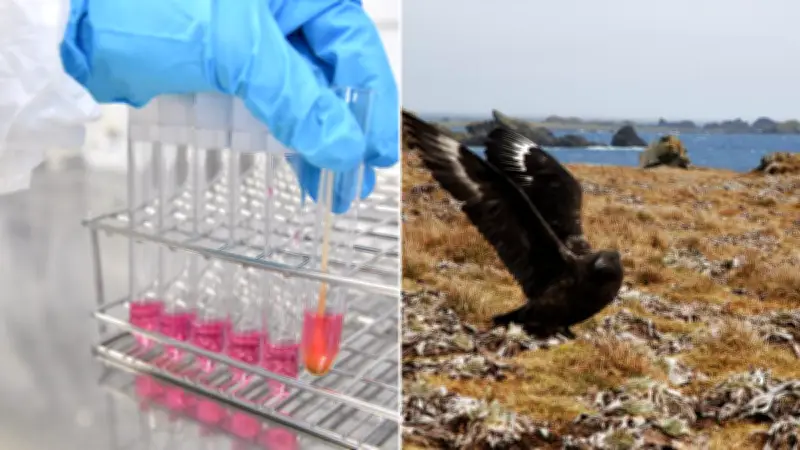
Australia's poultry industry is on high alert as authorities intensify surveillance for the deadly H5N1 bird flu strain following its first detection on the mainland. Rangers are combing the coastline around Esperance in Western Australia after H5N1 was confirmed in a brown skua found near Cape Le Grand, approximately 700 kilometres southeast of Perth.
Expanded Surveillance Across Great Southern Region
More than a dozen reports of sick or dead birds were received on Friday, prompting authorities to expand surveillance efforts across the Great Southern region. While none of the newly reported birds have been confirmed to carry the virus so far, authorities are taking no chances as they ramp up monitoring.
The detection marks the end of Australia's long-standing protection from the highly pathogenic H5N1 strain, which has devastated bird populations worldwide and triggered major outbreaks in wildlife and poultry industries across multiple continents.

Expert Warns of Heightened Vigilance
Infectious diseases expert Professor Paul Griffin told Sunrise on Sunday that the mainland detection was significant but not unexpected. "This has spread globally. It's been detected in neighbouring countries. And so it was really just a matter of time," he said. "But it certainly does indicate we need to heighten our surveillance efforts."
While authorities insist the risk to human health remains low, the discovery has intensified concerns about the potential impact on Australia's poultry industry if the virus spreads beyond wild birds. The highly pathogenic strain has killed millions of birds around the globe and forced the euthanasia of millions more overseas.
Industry Prepared but Vigilant
Professor Griffin said the industry had spent years preparing for the virus's arrival but vigilance would be crucial. "Not yet concerned, but obviously if it becomes more widespread, then we'll obviously have to step up our efforts," he said. Local farms, wildlife centres and tourism operators are also bracing for the possibility of further restrictions if additional cases are detected.
Authorities say the immediate priority is determining whether the infected bird was an isolated case or evidence the virus is already circulating among mainland wildlife populations.
Public Urged to Report Safely
Professor Griffin said members of the public could play an important role in monitoring the outbreak but should avoid approaching potentially infected animals. "There'll be a lot of observation of birds, particularly in that area. We want people to report it if they do see any sick or dead birds, but do so in a safe way," he said.
Although H5N1 can infect humans through close contact with infected animals, Professor Griffin stressed transmission between people remains extremely rare. "This is a very severe infection. That's why it's called highly pathogenic avian influenza," he said. "Stressing, though, there's been very few human cases, and it doesn't spread readily from person to person. So the risk to humans is very low still at the moment."
Authorities are urging anyone who encounters sick or dead birds to keep their distance, take photographs where possible, and report the sighting to the Emergency Animal Disease Hotline at 1800 675 888.