Perth Consent Educators Warn Online Influencers Threaten School Progress
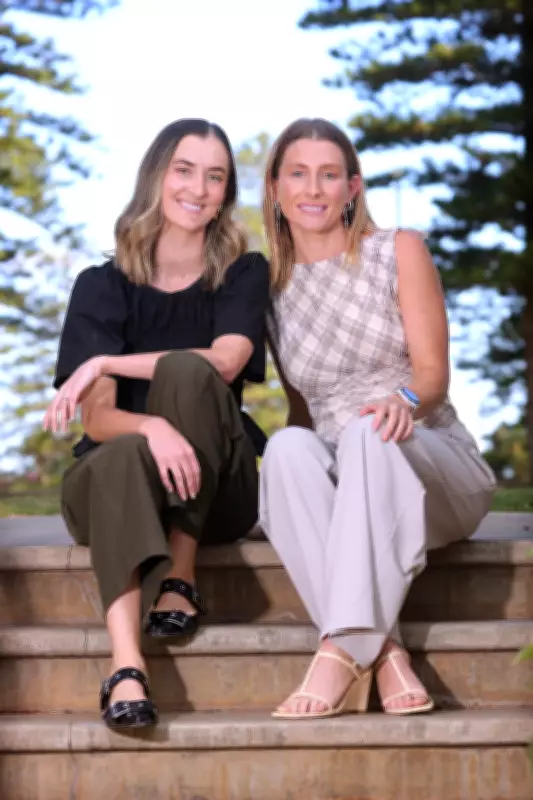
Leading consent educators in Western Australia have issued a stark warning that significant advancements in teaching respectful relationships within Perth schools are being actively undermined by sexist online influencers who target teenage boys. The founders of advocacy group We Are W/M, Nicolette Beard and Kate Raston, report that while their consent-focused relationships and sexuality education programs have been embraced by schools and parents, reaching nearly 30,000 young people, a dangerous counter-movement is gaining traction online.
The Growing Gender Divide in Digital Spaces
Ms Beard expressed concern about a pronounced gender divide proliferating across social media platforms and online communities. This digital environment perpetuates harmful stereotypes that depict women as submissive housewives while portraying men as inherently powerful, masculine, and controlling figures. "We do hear from schools that there is a lot of sexism going on, especially in the younger years," she stated, highlighting the pervasive nature of the problem.
The educators specifically pointed to influential online personalities like Andrew Tate, along with the broader toxic manosphere, red pill content, and the incel movement, as primary sources of this damaging ideology. Red pill content refers to an online manosphere belief system that falsely claims men are oppressed by a feminist-dominated society, creating a narrative that resonates with vulnerable young audiences.

Critical Age Group Most Vulnerable to Influence
Ms Beard identified boys aged 12 to 14, typically in years six to nine, as the most susceptible demographic. "When young boys are going through puberty... they're looking up for inspiration on what it means to be a man. And unfortunately, these negative influences are so loud that sometimes the good voices are kind of drowned out by that," she explained. This developmental period, when adolescents are forming their identities, makes them particularly vulnerable to extremist online content that offers simplistic answers to complex questions about masculinity and relationships.
The consent educators emphasized their mission to counteract these narratives by teaching both boys and girls that genders are counterparts rather than adversaries. "What we really try to do is teach young boys, and young girls, that we are each other's counterparts... that women are their friends, their life partners, sisters, mothers, daughters," Ms Beard said. "And trying to remind young men that it's not a war on gender."
Historical Context and Recent Improvements
The current concerns follow a pivotal 2024 survey that exposed widespread misogynistic behavior and toxic masculinity in many private all-boys schools across Western Australia. The final report, compiled by Ms Raston along with former students Henry Prior and Damon Hortle, revealed a hyper-masculine culture in these institutions where disrespect toward women was normalized and even encouraged.
The report stated clearly: "Such environments reinforce the idea that disrespecting women is acceptable and even commendable, leading to a cycle of harmful behavior that extends beyond school years." With more than 400 comments from 113 students, the survey documented inadequate sex education, a focus on abstinence in Catholic education systems, derogatory comments about women, objectification, and a lack of respect for female teachers and peers.
Schools Respond to the Challenge
Ms Raston acknowledged that since the survey's publication, schools have been working diligently to support students "in an environment where algorithms and online influencers can sometimes promote concerning narratives around gender roles and relationships." She emphasized that "there is always room for continued discussion, particularly with teenagers who are constantly growing and navigating an increasingly complex online world."

Recognizing that education must extend beyond the classroom, We Are W/M has expanded its reach to include workshops for parents and workplaces. These programs aim to educate adults who missed out on comprehensive consent education during their own schooling, creating a more informed support network for young people navigating these challenging issues.
The situation presents a critical challenge for educators, parents, and policymakers alike as they work to preserve hard-won progress in consent education while combating the rising tide of sexist online content that threatens to undermine these essential lessons in respectful relationships and gender equality.