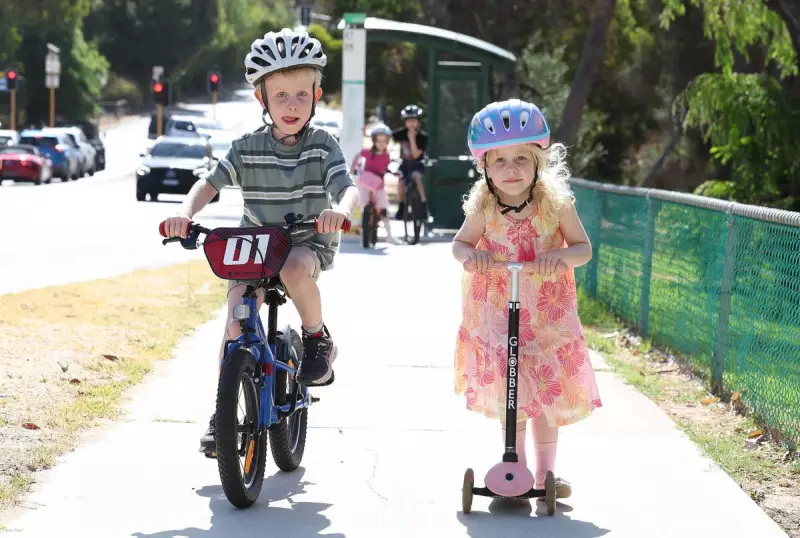
Primary school students across Western Australia are spearheading a positive shift in daily travel habits, with new figures revealing a notable rise in the number of children who are choosing to walk or ride their bikes to school.
A Growing Trend in Active Commutes
This encouraging trend highlights a move away from passive forms of transport, such as being driven by car, towards more active and independent modes of travel. The data, which reflects patterns observed in recent terms, suggests that schools, families, and local communities are increasingly prioritising health, environmental awareness, and practical life skills for young students.
Benefits Beyond the Journey
The increase in walking and cycling is not just about getting from home to the classroom. It represents a multifaceted win for children's physical wellbeing, mental alertness, and social development. Regular active travel helps students arrive at school more energised and ready to learn, while also reducing traffic congestion and vehicle emissions around school gates during peak drop-off and pick-up times.

Community and safety initiatives have likely played a crucial role in fostering this change. Many schools have implemented walking school buses, promoted safe cycling routes, and engaged in educational programs that emphasise the advantages of active transport. Parental encouragement and the establishment of safer pedestrian and cycling infrastructure in neighbourhoods are also key factors contributing to this upward trend.
Looking to the Future
As this movement gains momentum, educators and health advocates hope to see the benefits extend further. Sustained increases in active commuting could lead to long-term improvements in children's fitness levels, greater environmental stewardship among the younger generation, and stronger, more connected local communities where walking and cycling are normalised and supported.
The shift led by WA's primary students sets a commendable example, demonstrating how small changes in daily routine can contribute to larger societal goals around health, sustainability, and community wellbeing.