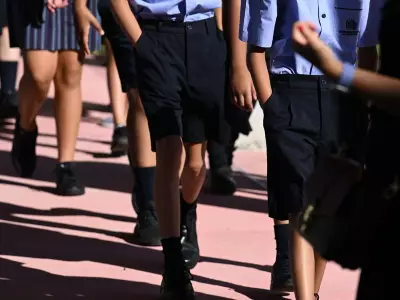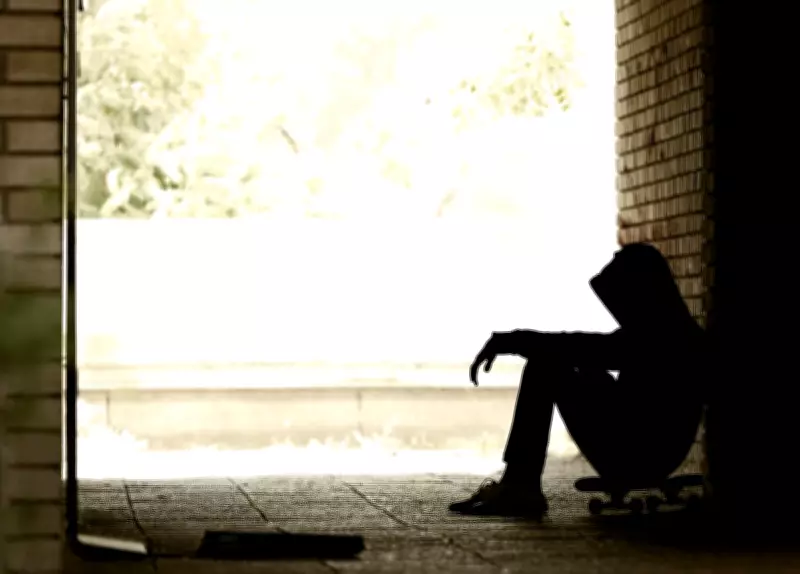
New and concerning data has emerged, revealing that hundreds of school-aged children and young people are sleeping rough every single night across Western Australia. This exclusive information sheds light on a deepening youth homelessness crisis in the state, raising urgent questions about support systems and community responses.
The Scale of the Crisis in Western Australia
The figures indicate a significant number of minors are without stable accommodation, forced to sleep in unsafe or temporary conditions. This situation not only impacts their immediate safety and wellbeing but also severely disrupts their education and long-term development. The data underscores a pressing need for targeted interventions and resources to address this vulnerable demographic.
Implications for Education and Future Prospects
When children and teenagers are homeless, their ability to attend school regularly and focus on learning is profoundly compromised. The stress and instability of rough sleeping can lead to increased absenteeism, poor academic performance, and heightened risks of mental health issues. This creates a cycle of disadvantage that is difficult to break without adequate support.

Community and government agencies are being called upon to prioritise solutions that provide safe housing, access to education, and comprehensive support services. The data serves as a stark reminder that homelessness is not just an adult issue; it affects the youngest members of society, with lasting consequences for their futures and for the broader community.
Addressing the Root Causes
Experts suggest that a multifaceted approach is necessary to tackle this problem effectively. This includes increasing affordable housing options, enhancing family support programs to prevent youth homelessness, and improving access to crisis accommodation specifically designed for young people. Early intervention and prevention strategies are crucial to stop the situation from worsening.
The revelation of these numbers highlights a critical gap in social services and policy focus. As Western Australia grapples with this issue, there is a growing consensus that more must be done to protect and support its youth, ensuring every child has a safe place to call home.