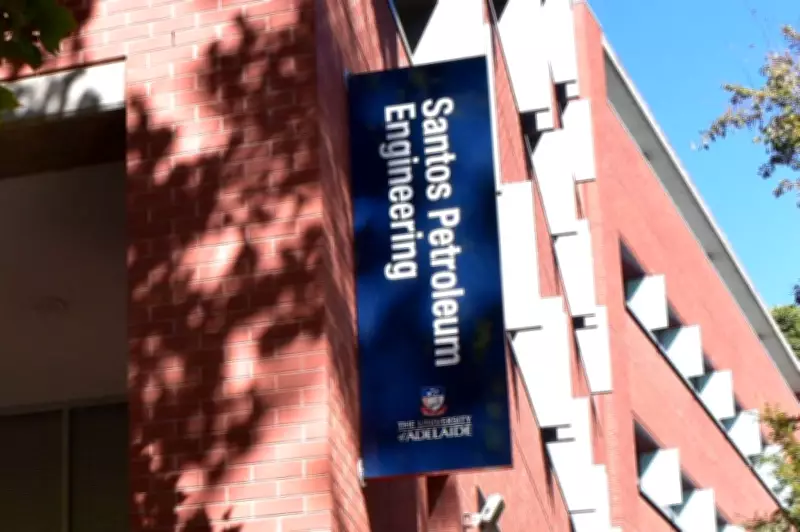
Adelaide University Reviews Santos Building Name Amid Climate Concerns
Adelaide University is currently undertaking a significant review of the naming of one of its prominent buildings, which is currently named after the energy company Santos. This move comes in response to mounting pressure from climate activists, student groups, and some academic staff who have raised concerns about the university's association with a company heavily involved in fossil fuel extraction and production.
Growing Pressure from Activists and Students
The push to remove the Santos name has been gaining momentum over the past year, with various student-led campaigns and environmental groups highlighting the perceived conflict between the university's commitment to sustainability and its ties to a major fossil fuel producer. These groups argue that the naming arrangement undermines the institution's environmental credentials and sends a contradictory message to the community and students.
University officials have acknowledged the concerns and have initiated a formal review process to assess the implications of the naming. This review is expected to consider a wide range of factors, including the historical context of the naming agreement, the financial aspects of any potential change, and the broader ethical considerations related to corporate partnerships in the education sector.

Historical Context and Financial Considerations
The building in question was named after Santos as part of a sponsorship deal that dates back several years. At the time, such partnerships were common as universities sought additional funding sources for infrastructure projects. However, the landscape of corporate sponsorship has evolved, with increasing scrutiny on the environmental and social impacts of partner companies.
Financial considerations are a key part of the review, as any decision to change the name could involve costs related to rebranding, legal adjustments, and potential repercussions from the sponsorship agreement. The university is likely to weigh these financial aspects against the reputational benefits of aligning more closely with contemporary environmental values.
Broader Implications for University Partnerships
This case highlights a growing trend in higher education, where institutions are reevaluating their relationships with companies in industries facing public criticism, such as fossil fuels. Universities worldwide are increasingly considering the ethical dimensions of their partnerships, balancing financial support with their stated missions and values.
For Adelaide University, the outcome of this review could set a precedent for how it handles similar naming rights and sponsorship agreements in the future. It may also influence other Australian universities facing comparable dilemmas, as the sector grapples with the challenges of funding while maintaining ethical and environmental standards.
The review process is expected to involve consultations with stakeholders, including students, staff, alumni, and community members. A decision is anticipated in the coming months, with potential outcomes ranging from retaining the name with additional context or conditions, to a complete renaming of the building.
This development underscores the complex interplay between education, corporate sponsorship, and social responsibility in modern academia, as institutions navigate the pressures of financial sustainability and ethical leadership.