University of Newcastle's Largest Building Set for Demolition in July
The University of Newcastle is preparing to demolish its largest building, the Hunter Building, with work scheduled to commence in July. This highly specialised project is expected to take up to 18 months to complete and will cost more than $20 million.
Complex Demolition Process Underway
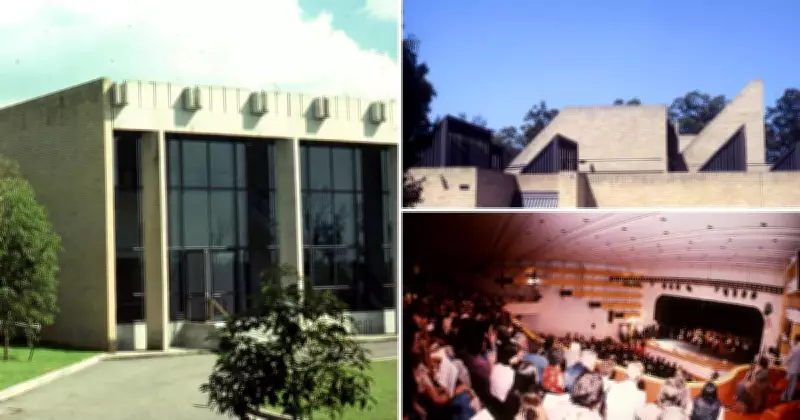
The university is currently evaluating tender responses for the demolition, according to chief operating officer David Toll. The 22,000 square metre multilevel structure was constructed in the early 1970s as part of the former Newcastle Teachers College.
Like many buildings from that era, it contains significant amounts of asbestos. Additionally, concerns about its structural integrity emerged following the 1989 earthquake that affected the Newcastle region.

Delays and Due Diligence
The building's demolition has been delayed several times since it was vacated more than five years ago. Mr Toll explained that the delays have primarily resulted from ongoing testing and due diligence.
"If you don't fully understand what's involved, you can end up in a difficult contractual situation where a contractor finds additional complexities," Mr Toll said. "It's a very intricate process and the cost of dealing with the asbestos material is very high. The idea is to do maximum due diligence so that everyone is sure of what is involved."
Campus Transformation Plans
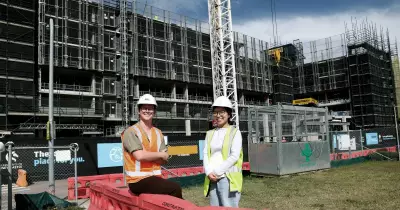
Clearing the Hunter Building will pave the way for the next chapter in the Callaghan campus's evolution. Vice-chancellor Alex Zelinsky outlined ambitious redevelopment plans in 2022 that include:
- A motel
- A hospital
- A medical centre
- A school
Professor Zelinsky compared the future vision to Oxford University, stating: "When you go to Oxford, you say, 'Where's the university? It's everywhere.' When you come to Callaghan in 10-15 years' time, it'll have all the elements of a town inside it because it's 140 hectares."
The university will feature interspersed buildings including laboratories, teaching spaces, shops, and retail outlets, creating a comprehensive town environment where students also live.
Infrastructure Investment Strategy
The Hunter Building represents one of several university structures that have reached the end of their functional life in recent years. Mr Toll emphasised the university's commitment to providing facilities that offer staff and students the best possible learning and teaching environment in safe, contemporary settings.
"That is why investing in the future of our infrastructure is a strategic decision made through careful planning that balances the assessment of our current estate and the need for modern facilities to activate our campuses and create a vibrant place for our students and staff to thrive," he explained.
The university considers multiple factors before adding buildings to its demolition program, including:
- General safety and functionality
- Building age and condition
- Service infrastructure within the building
- Viability for upgrading or repurposing
Meanwhile, the university's inner city campus and Central Coast campus continue to evolve rapidly alongside the Callaghan transformation.