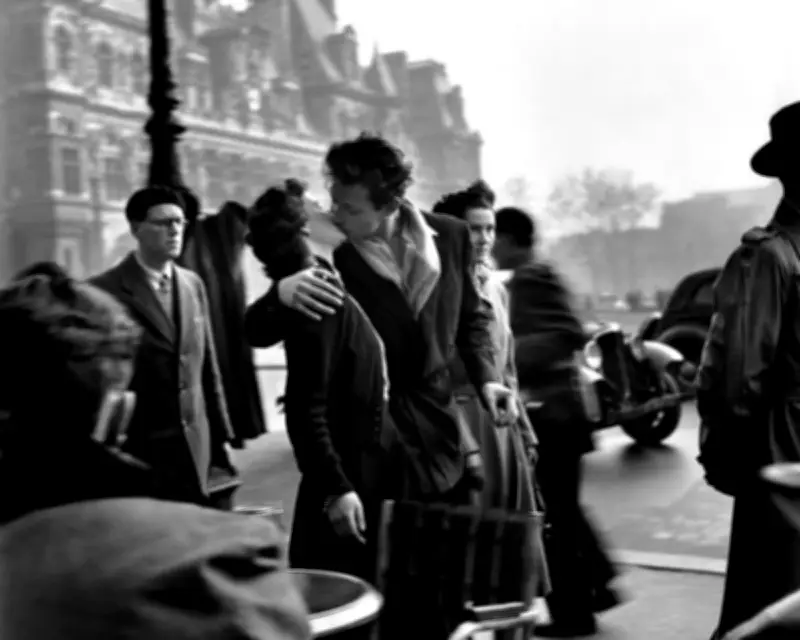
In her book 'The Kiss: A History of Passion and Power', historian Katie Barclay traces the evolution of kissing from medieval rituals to contemporary controversies, arguing that this seemingly instinctive act is deeply shaped by social and political contexts.
From Erasmus to the English Kiss
Barclay opens with the Dutch theologian Desiderius Erasmus, who in 1499 was surprised by England's kissing culture. 'Wherever you go, you are received on all hands with kisses; when you take leave you are dismissed with kisses,' he wrote. While continental Europe had abandoned lip-kissing due to sexual propriety, the English persisted, kissing even opposite-sex acquaintances.
The Kiss of Peace and Power
In medieval Europe, the 'osculum pacis' or kiss of peace was a lip-to-lip kiss between powerful men, sealing legal or diplomatic deals. Based on the belief that breath carried spirit, it symbolized souls mingling. Vassals and lords kissed in fealty, and worshippers in church. As elites grew reluctant to kiss servants, churches introduced the 'pax', a ritual object to kiss instead.

Not all kisses were egalitarian. The foot kiss could humiliate: in 911, Viking leader Rollo was forced to kiss the Frankish king's foot in loyalty. Appalled, he sent a proxy who reportedly grabbed the king's foot so violently he tipped him backward.
Kissing in Public and Private
By the 18th century, daily lip-kissing in England had declined; men shook hands, though women often still kissed. Close male friends continued lip-kissing in an era of affectionate friendship. By the late 19th century, with the rise of romantic marriage, lip-kissing became tied to love and sex. Yet it remained public: in 1908, a diphtheria outbreak led London to ban kissing games in schools.
In the 1920s, parenting advice debated whether to kiss children. Behaviorist John Watson warned of 'dangers lurking in the mother's kiss,' arguing it led to coddling. By 1930, health-conscious mothers embroidered 'do not kiss me' on infant bibs.
Censorship and Activism
Anxieties about sex kept kissing controversial. In 1934, the Hays Code banned 'excessive and lustful' kisses, as well as interracial and same-sex ones on screen. In the 1970s, gay rights activists held 'kiss-ins' to reclaim queer tenderness. During the AIDS epidemic, kissing took on radical significance amid misinformation about transmission.
Modern Consent Debates
In 2023, Luis Rubiales, former Spanish football federation president, sparked outrage by kissing captain Jenni Hermoso on the lips after Spain's World Cup win. He was found guilty of sexual assault. Barclay notes that even spontaneous kisses carry power and politics. As she writes, 'when we kiss, we kiss with the weight of history.'
'The Kiss: A History of Passion and Power' by Katie Barclay is published by Reaktion at £20. The book is richly illustrated with examples, though its academic style may not suit those seeking fast-paced narrative. Nonetheless, Barclay's central point is persuasive: kissing has always been a contested public gesture and private pleasure.