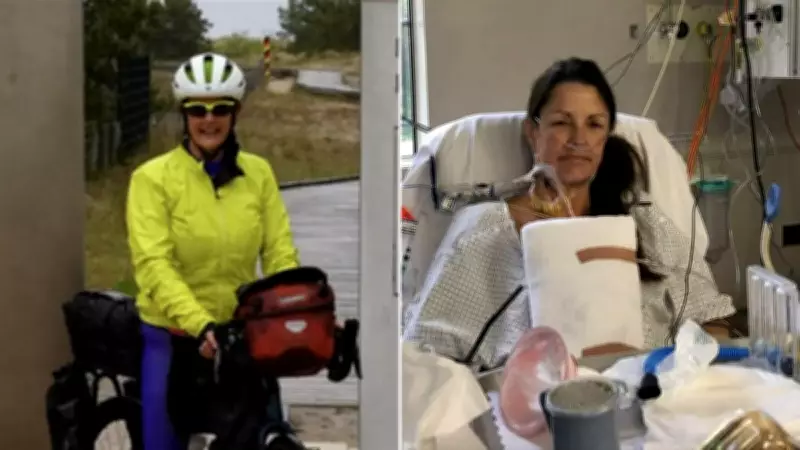
Australian women are being urged to check their hearts this Mother's Day, amid alarming warnings that many are dying from heart disease without ever knowing they were at risk. Almost every hour, an Australian woman dies from coronary heart disease, which remains one of the leading causes of death. However, experts say women are still being overlooked when it comes to diagnosis, treatment, and awareness.
Heart Disease Not Just a Male Condition
Advara HeartCare CEO Dr. David O'Donnell told 7NEWS that many still wrongly believe heart disease is mainly a male condition. "We often use the statistics that more women die of heart disease than die of breast cancer," he said. "If you are a 50-year-old woman, you are three to four times more likely to die of heart disease than breast cancer. Yet everyone is out there getting their mammograms and breast checks. We need every woman to focus just as much on getting their heart checked."
Different Symptoms in Women
One of the biggest dangers is that symptoms in women can look very different from the classic signs associated with a heart attack. "Symptoms can vary quite dramatically," O'Donnell explained. "In women, it is commonly pain in different locations: the jaw, the abdomen, the arm. Sometimes there is no pain at all, just profound nausea, sweating, feeling pale, feeling unwell, feeling dizzy. So the presentation can be quite different in women and men."

Complacency Is a Major Problem
The Heart Foundation's Natalie Raffoul says complacency is a major problem, and many women are unaware they even have risk factors. "Unfortunately, the common feature of heart disease across women and men is complacency," she said. "Not knowing that it is an issue for you, not being aware of your risk factors. In the case of women, a lot of the time we see that they are very busy taking care of their families and others and often overlook their own health."
Heart Health Checks Available
The warning comes as the Heart Foundation urges all Australians aged over 45 to book a Medicare-subsidised heart health check with their GP during Heart Week. The 20-minute check includes blood pressure and cholesterol checks, family history, and an assessment of a person's risk of developing heart disease within the next five years. "It is the opportunity for us to pick up your risk early and treat it before it develops into a heart attack," Raffoul said. "This kind of check is life-saving and could really benefit you and your family."
Coronary Artery Calcium Score Test
For some patients, doctors may also recommend a coronary artery calcium score test. This specialised CT scan looks for calcified plaque in the arteries supplying blood to the heart. Doctors say it can detect hidden heart disease before symptoms appear or before a patient suffers a heart attack. "What it tells us is, do you actually have disease in your heart?" O'Donnell said. "We are not trying to guess what your risk is; we are trying to work out if there is disease there or not." However, the test is not currently covered by Medicare and can cost patients up to $800. "There is an out-of-pocket cost associated with this, although most cardiology groups are trying very hard to get this rebated, and I think the government is listening," O'Donnell added.

Real-Life Warning: Sharron Yaxley's Story
For Tasmanian cyclist Sharron Yaxley, that warning became reality. Despite a strong family history of heart disease, the active mother of four said she was repeatedly reassured she was healthy by her GP. "I was fit and healthy and I was not having any symptoms, and I was passing all of the usual tests," she said. Yaxley eventually pushed for a calcium score test after a friend suffered a cardiac arrest. The results shocked her. Within days, she was rushed into open heart surgery. "It is barbaric, they cut you from here to here," she said, pointing at her chest. "I have lost arteries up my arm; it is a difficult recovery. I was devastated." Despite the ordeal, Yaxley says she feels fortunate and urges all women who think something may be wrong to get a proper check-up. "If you have a family history of cardiovascular disease, know your calcium score. Push for more than the regular tests, push for a scan to have your calcium score calculated," she said. She has since recovered and, just 12 months after surgery, fulfilled her dream of cycling through Europe. Yaxley's message for other women is simple: "Now is the time to get your heart checked."