Midtown Newcastle Unveils $70,000 Safety Strategy for Night-Time Revitalisation
In a significant move to bolster safety and adapt to shifting hospitality dynamics, Newcastle's Midtown venue collective has announced a $70,000 investment aimed at enhancing night-time security in the city centre. This initiative comes as patrons increasingly seek unique, safe experiences amid post-pandemic recovery and ongoing cost-of-living pressures.
Evolving Patron Expectations Drive Safety Focus
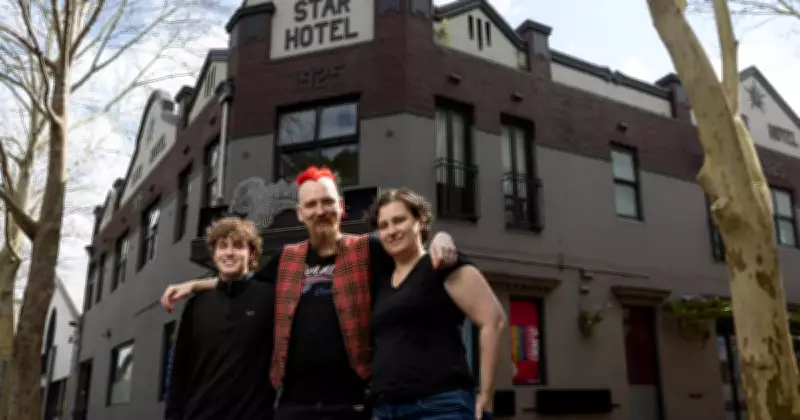
Grace Fey, co-founder of Bernie's Bar and spokeswoman for the Midtown collective, highlighted that today's patrons, particularly younger generations, favour smaller venues and often visit multiple locations in a single evening. "There is a much higher expectation around safety and the nightlife experience," Fey explained. "Gen-Z, especially, connect with venues that have some relation to their identity. They like bespoke experiences."
This nomadic trend has prompted venue owners to extend safety measures beyond their doors, ensuring patrons feel secure as they move between social hubs. The collective, which includes bars and businesses from Steel Street to Union Street in Newcastle West, aims to foster a collaborative approach to trade and government support.

Key Projects Funded by the Grant
The $70,000 allocation, sourced from the City of Newcastle's special business rates program, will fund three primary projects:
- A courtesy bus route connecting venues across the city centre to facilitate safer travel between districts.
- A comprehensive street lighting audit to identify and address dark spots, such as Devonshire Street, where venues currently rely on their own lighting.
- Public amenity improvements designed to enhance the overall night-time environment and reduce antisocial behaviour.
These initiatives are based on recommendations from an $11,500 crime prevention through environmental design study commissioned by the group in December, funded by the city centre's business improvement association.
Crime Data and Community Impact
Long-term statistics reveal a notable decline in alcohol-related violence linked to licensed premises, with incidents on Friday and Saturday nights dropping by almost 65% over the past decade. However, non-domestic alcohol violence in Newcastle remains twice the state average, underscoring the need for targeted interventions.
Recent data from the NSW Bureau of Crime Statistics and Research indicates that most offences affecting public safety perceptions—such as offensive conduct, theft, and damage—occur in outdoor and residential areas, rather than within venues. Fey noted that collaboration with local police has helped curb street-level antisocial behaviour, though some incidents are unrelated to the hospitality scene.
Broader Context and Future Outlook
This local effort aligns with broader state initiatives to revitalise the night-time economy, following the gradual repeal of blanket lockout laws since 2023. Last year, the NSW government allocated nearly $800,000 to Hunter venue groups, including Midtown, to support neighbourhood-based 24-hour economy plans.
Newcastle Lord Mayor Ross Kerridge endorsed the strategy, emphasising that improving transport safety at night is crucial for community accessibility. "Particularly around transport, we know that this can be one of the things that makes it difficult for people," he remarked.
Fey pointed out that the pandemic and economic shifts have reshaped nightlife culture, with many adults now experiencing the scene for the first time. "Our focus for the next few years is going to be around creating what a good nightlife economy and culture looks like, especially between venues on the street," she said. "There is a future, but it's just not the future we were used to."
As Midtown moves forward with these safety enhancements, the collective aims to sustain the positive trends in venue-related crime while addressing the evolving expectations of a new generation of patrons.