
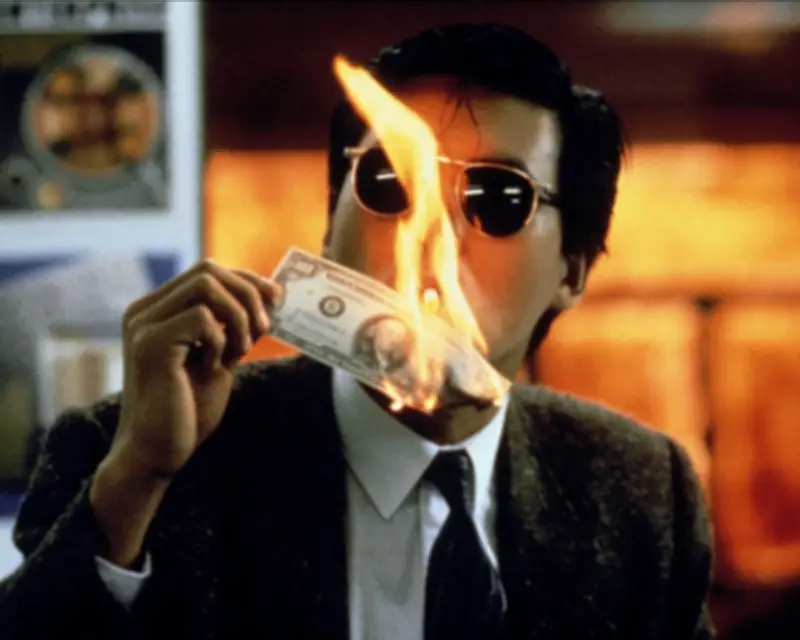
John Woo's A Better Tomorrow has been given a new lease on life with a restored version that underscores why the 1986 film remains a cornerstone of action cinema. The film, which launched the careers of Chow Yun-fat and Woo himself, is as emotionally resonant as it is visually explosive.
A Landmark in Hong Kong Cinema
The story follows two brothers—one a gangster, the other a police officer—whose loyalties are tested by crime and betrayal. Woo's signature style, featuring balletic gunfights and dramatic slow-motion, is on full display. The film's influence can be seen in everything from Quentin Tarantino's Reservoir Dogs to the Matrix series.
According to the restoration team, the new print was sourced from original negatives, bringing out the film's rich color palette and dynamic sound design. “It’s like seeing it for the first time,” said a spokesperson for the distributor.

Emotional Core
While the action sequences are groundbreaking, the film's emotional depth is what elevates it. Chow Yun-fat's character, Mark, is a tragic figure whose loyalty leads to his downfall. The relationship between the brothers is handled with nuance, avoiding simple moralizing.
One of the most memorable scenes—a shootout in a restaurant—lasts nearly four minutes and features 360-degree camera work that was revolutionary for its time. The restored version makes every bullet casing and facial expression crystal clear.
Legacy and Impact
A Better Tomorrow was a massive hit in Hong Kong, spawning two sequels and countless imitators. It also marked a turning point for Woo, who went on to direct Hollywood blockbusters like Face/Off and Mission: Impossible 2. The film's themes of honor, brotherhood, and redemption are universal, ensuring its relevance decades later.
Critics have praised the restoration for preserving the film's original grit while enhancing its visual appeal. “This is the definitive version,” one review noted. For new audiences, it offers a chance to experience a classic that shaped modern action filmmaking.