Jafar Panahi's Covert Masterpiece: Filmmaking Under Duress in Iran
In a bold act of cinematic defiance, celebrated Iranian writer-director Jafar Panahi has once again turned the constraints of his nation's theocratic regime into artistic fuel. His latest film, It Was Just an Accident, premieres at a pivotal moment in Iran's modern history, earning its creator another travel ban and likely jail term, despite winning the Palme d'Or last year. This powerful drama, made covertly and smuggled out to compete at Cannes, will not be seen by home audiences unless they access unlicensed DVDs, highlighting the perilous fate of art that critiques authority in Iran.
A Taut Drama Born from Secrecy
The film chronicles a group of former political prisoners who kidnap a man they believe abused them during incarceration. Panahi's production, an illegal endeavour, could have been hampered by its clandestine nature, but instead, he transforms these limitations into strengths. The result is a tightly wound, tense, and unpredictable drama that showcases his mastery of storytelling under pressure. Audiences familiar with Panahi's 2011 work, This Is Not a Film, which explored life under house arrest, will recognise his knack for turning constraint into creative advantage.
The secrecy required for its production is ingeniously woven into the film's fabric. Through tight framings inside a crowded utility van, subjective perspectives in a car service workshop, and furtive shots along narrow, tree-lined streets, Panahi crafts a superbly well-told chronicle of a citizens' arrest. This approach not only enhances the narrative's urgency but also reflects the real-world risks faced by filmmakers in Iran.

Plot and Themes: Justice, Identity, and Absurdity
It Was Just an Accident opens with a seemingly minor incident: a man named Eghbal (Ebrahim Azizi) and his family accidentally run over a dog while driving. This event sets in motion a chain of reflections on fate and circumstance, as his vivacious daughter grapples with the concept of an unavoidable accident. The story deepens when Eghbal visits a motor workshop for repairs, where auto mechanic Vahid (Vahid Mobasseri) believes he hears the distinctive sound of his former jailer, known as Peg Leg, an intelligence officer who caused him lasting kidney damage.
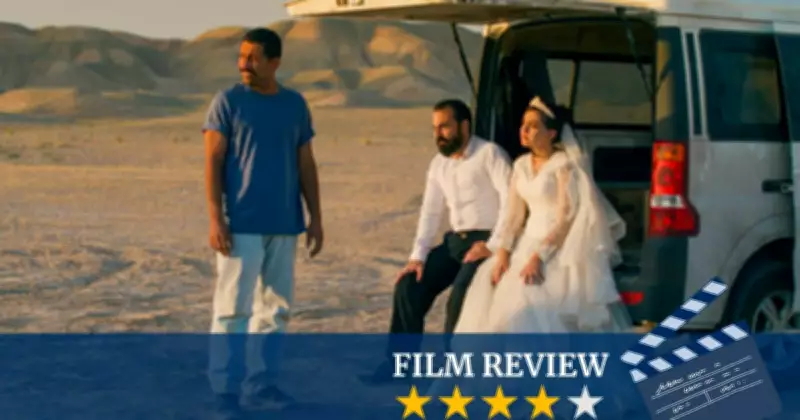
Transformed by this suspicion, Vahid kidnaps Eghbal with the intent to bury him alive in the desert, marked only by a lone tree. However, doubts soon arise about the captive's identity, leading Vahid to seek help from Shiva (Mariam Afshari), a photographer. Reluctantly drawn into the plot, Shiva and a bridal couple, Goli and Ali (Hadis Pakbaten and Majid Panahi), join the amateur sleuths, though only volatile former prisoner Hamid (Mohammad Ali Elyasmehr) seems certain of their target. This uncertainty fuels the film's tension, as the group struggles to exact revenge on a pitiless authority without sinking to its depths of depravity.
In a brilliant twist, Panahi injects moments of absurdist comedy into the grim backdrop, even referencing Samuel Beckett's Waiting for Godot. As a humanist, he extracts laughter from endemic corruption, such as when security guards accept bribes during a fake wedding photo-shoot on a rooftop carpark. This blend of drama and humour underscores the resilience of the Iranian spirit.
A Reflection of Iranian Society
The film's robust characters echo the spirited, friendly people encountered by many visitors to Iran, while its casual approach to the hijab recalls the Woman, Life, Freedom movement. Through It Was Just an Accident, Panahi serves as a wonderful proponent for the strong, proud people of Iran, offering a poignant critique of the regime's atrocities against its own citizens. Safeguarded by multiple copies held in secret across the country, this covert masterpiece stands as a testament to the power of art in the face of oppression.