The Secret Agent: A Potent Neo-Noir Journey Through Brazil's Dark History
In the sun-drenched sugarcane country of northeast Brazil, a tense and atmospheric scene unfolds that sets the stage for a remarkable cinematic experience. A young man driving a distinctive yellow Volkswagen Beetle pulls into a petrol station, his journey already shadowed by unease. His cash covers the fuel, but his attention is gripped by a flyblown corpse lying under a sheet of cardboard on the forecourt, a grim presence that the jovial attendant dismisses with casual indifference.
A Nerve-Jangling Introduction to Corruption
The attendant shooes away wild dogs and hoses the windscreen, mentioning the body has been there for days, awaiting removal by highway patrol. When police arrive, their interest lies not in the deceased but in extracting fines from the driver. Finding nothing amiss with his papers or vehicle, they move on, leaving the corpse forgotten. Further along the road, rowdy carnivale revellers add to the unsettling atmosphere, creating a powerful and effective opening for this neo-noir thriller.
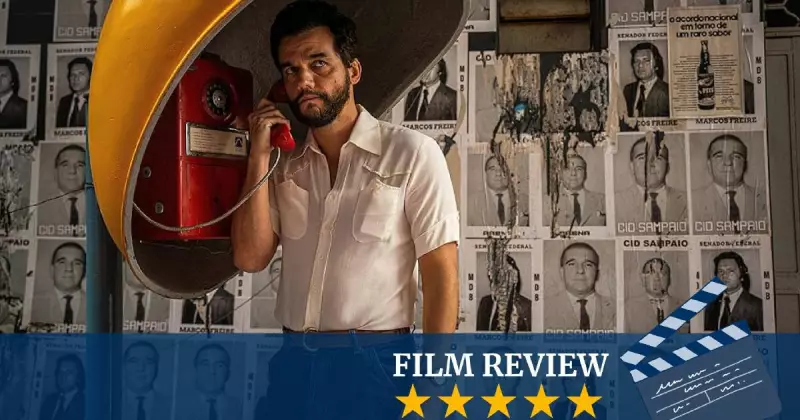
After these nerve-jangling episodes, the protagonist Marcelo, whose real name is Armando, continues his journey to the coastal city of Recife. As a man on the run, a widower, and a father to a young son, he carries the weight of being a political fugitive and an expert in key technology. Wagner Moura delivers an excellent performance in the lead role, portraying a character burdened by the need to secure a safe future for his child and escape Brazil forever.

An Immersive Political Thriller with Historical Depth
These early scenes in Kleber Mendonca Filho's immersive political thriller serve as a potent vignette on corruption and administrative chaos. The film presents a sweeping panorama of life under a military dictatorship in 1970s Brazil, with the search for a disappeared family member at its emotional core. This individual was eliminated during the country's authoritarian regime for activities deemed counter to the junta's interests.
Through skillfully revealed flashbacks that bring the narrative to the present day, we learn how Marcelo came to have a price on his head. Under his alias, he finds work in Recife's identity card office, attempting to lie low while navigating a dangerous environment. His young son lives with maternal grandparents following Marcelo's wife's untimely death, adding personal stakes to his precarious situation.
Hollywood Influences and Local Folklore Intertwine
Father-in-law Sr Alexandre, portrayed by Carlos Francisco, works as a projectionist at the local cinema, which becomes a significant location for numerous scenes with important developments. Director Filho has woven the influence of mainstream Hollywood into his own distinctive work, creating a homage to 1970s American cinema within a Brazilian context.
At the Recife cinema, King Kong screens while women become possessed by spirits after watching The Omen with Gregory Peck. Popcorn thrillers featuring great white sharks play to audiences, with Marcelo discovering his son has developed an obsession with sharks not from the nearby ocean, but from nightmares induced by the Jaws poster. Steven Spielberg's film enjoys a re-run because a recently caught shark contained a human leg, a gruesome discovery that perfectly aligns with local folklore.
In this folklore, the "hairy leg" serves as a grisly symbol of police repression, taking on a twitching, kicking life of its own. This blending of international pop culture with local mythology creates a rich textual layer that enhances the film's thematic depth.
Cultural References and Political Resistance
Music by Chicago and Donna Summer, along with other elements of American popular culture, weave their way through the narrative. A poster of Marilyn Monroe watches from the walls as Marcelo, under his alias Armando, is interviewed within the cinema complex by Elza, played by Maria Fernanda Candido. As the regional leader of political resistance, she tapes their conversations, adding another layer of surveillance and danger to the protagonist's situation.

A Tribute to the Disappeared
Director Filho, whose mother was a historian, makes a powerful statement about historical memory through this fiction. The Secret Agent serves as a tribute to those who disappeared during a brutal, turbulent authoritarian period in South America's largest country, and by extension, to victims of similar regimes elsewhere. The filmmaker takes a stand for history, creating space for those who were forcibly erased from official records and public memory.
Through its masterful blending of neo-noir tension, political commentary, and cultural references, The Secret Agent emerges as a significant cinematic achievement that both entertains and enlightens, offering viewers a nerve-jangling journey through a dark chapter of history with contemporary resonance.