Canberra's New Northside Hospital Project Sparks Environmental Concerns Over Endangered Species
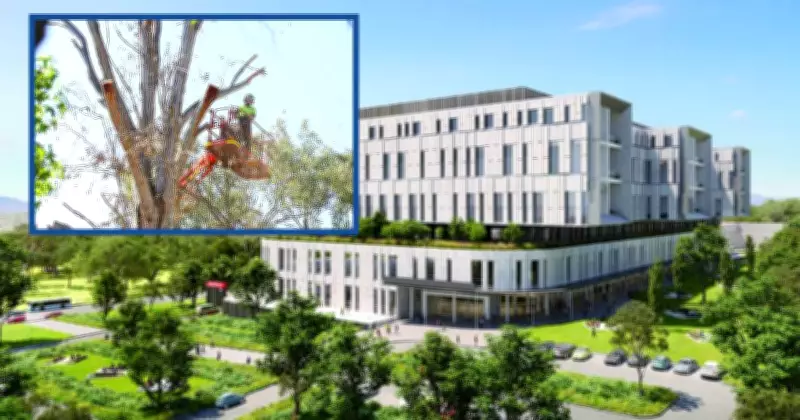
A proposed $1 billion hospital development in Canberra's northside is facing scrutiny due to its potential impact on nearly 13 hectares of nesting and foraging habitat for the endangered Gang-gang cockatoo. The project, submitted to the federal Department of Climate Change, Energy, the Environment and Water, highlights a conflict between urban expansion and wildlife conservation in the Australian capital.
Habitat Encroachment and Species Vulnerability
The development proposal indicates that construction works will encroach on the habitat of Gang-gang cockatoos, a native bird species listed as endangered since March 2022. These birds are easily identifiable by the females' distinctive red heads and the grey bodies of both sexes. The report estimates that 12.69 hectares of foraging habitat, with 10.18 hectares considered potential breeding habitat due to mature canopy cover, could be affected.
Specifically, the project would clear 0.09 hectares of this habitat, including 11 trees potentially suitable for breeding. However, authorities argue these trees are unlikely to be used for nesting because of their proximity to high-traffic areas like buildings and carparks, as well as their isolation from intact vegetation.

Mitigation Efforts and Government Response
The government has stated that the hospital design aims to minimise impact on nesting and foraging sites, with alternative locations deemed to have worse effects on the Gang-gang cockatoos. Planned mitigation measures include new plantings of local and non-local native species to enhance connectivity for native fauna. Additionally, the installation of possum guards on retained trees is being considered, as recent studies suggest these may increase nesting likelihood for the cockatoos.
In a statement, the government emphasised that all possible steps have been taken to limit damage to mature and hollow-bearing trees, while also addressing bushfire safety by identifying trees for removal. The project is scheduled to commence on June 6 and conclude by September 10, 2031, located near the ageing North Canberra Hospital, which requires replacement due to infrastructure from the late 1970s nearing end-of-life.
Broader Environmental and Cultural Considerations
Beyond the Gang-gang cockatoos, the area also hosts sightings of other at-risk birds, such as the critically endangered Swift Parrot and vulnerable Super Parrot, though they do not nest there. An Aboriginal heritage site with a potentially culturally modified tree is present, but officials confirm the tree will not be directly impacted by construction.
The development will involve demolishing a clinical building, childcare centre, and two carpark areas to make way for the new facility, which aims to meet the healthcare needs of Canberra's growing population. Next steps include finalising the business case, starting early works in 2026, and engaging in community consultation to shape the detailed design.
This project underscores the ongoing challenges in balancing urban development with environmental protection in Australia, particularly for species on the brink of extinction.