Emergency Bushfire Ravages Bee Farm in Western Australia
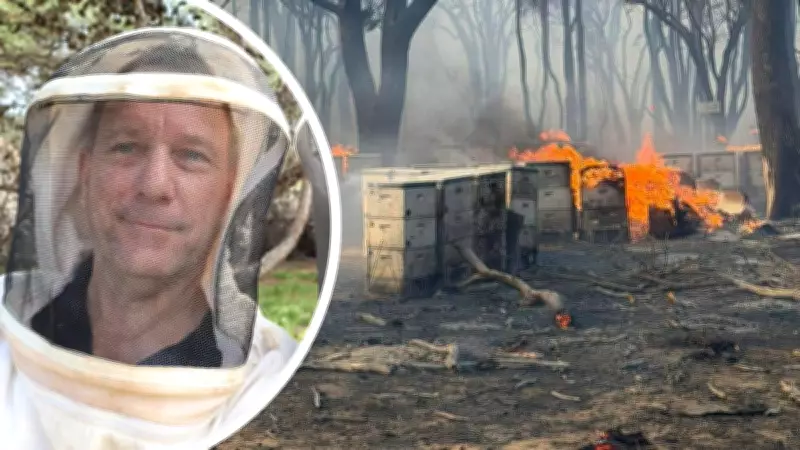
An emergency-level bushfire has caused catastrophic damage to a bee farm in Beechina, Western Australia, resulting in the destruction of 50 hives and the death of approximately three million bees. The blaze, which swept through the area with intense ferocity, has left the local apiary, Bees Kneez Apiaries, in ruins, highlighting the severe vulnerability of agricultural operations to extreme weather events.
Devastation at Bees Kneez Apiaries
The fire, which escalated to emergency levels, engulfed the property of Bees Kneez Apiaries, a key player in the region's beekeeping industry. According to initial reports, the flames consumed 50 bee hives, each housing thousands of bees, leading to an estimated loss of three million insects. This incident underscores the fragile nature of bee populations, which are crucial for pollination and ecosystem health.
The impact extends beyond the immediate loss of bees, as the destroyed hives represent a significant economic blow to the apiary. Bees Kneez Apiaries has been a vital contributor to local agriculture, providing pollination services for crops and producing honey. The destruction threatens to disrupt these activities, potentially affecting food production in the surrounding areas.

Broader Implications for Agriculture and Environment
This bushfire event raises serious concerns about the resilience of agricultural infrastructure in the face of increasing bushfire risks. Bees are essential pollinators for many plants, and their loss can have cascading effects on biodiversity and crop yields. The incident in Beechina serves as a stark reminder of the interconnectedness of natural systems and human industries.
Experts warn that such disasters could become more frequent due to climate change, which is exacerbating bushfire conditions in Australia. The destruction of bee hives not only impacts local beekeepers but also poses a threat to broader agricultural sustainability, as bees play a critical role in maintaining healthy ecosystems and supporting food security.
Response and Recovery Efforts
In the aftermath of the fire, emergency services worked tirelessly to contain the blaze and prevent further damage. The community has rallied to support Bees Kneez Apiaries, with efforts focused on assessing the full extent of the loss and planning for recovery. Rebuilding the apiary will require significant resources and time, given the specialized nature of beekeeping equipment and the need to reestablish bee colonies.
Authorities are investigating the cause of the bushfire, which remains under review. This incident highlights the importance of robust fire management strategies and preparedness measures for rural properties, especially those involved in sensitive agricultural activities like beekeeping.
The loss of three million bees is a sobering event that calls for increased awareness and action to protect vital pollinators. As the region begins the slow process of recovery, the focus will be on supporting affected businesses and mitigating future risks to ensure the sustainability of local agriculture and environmental health.