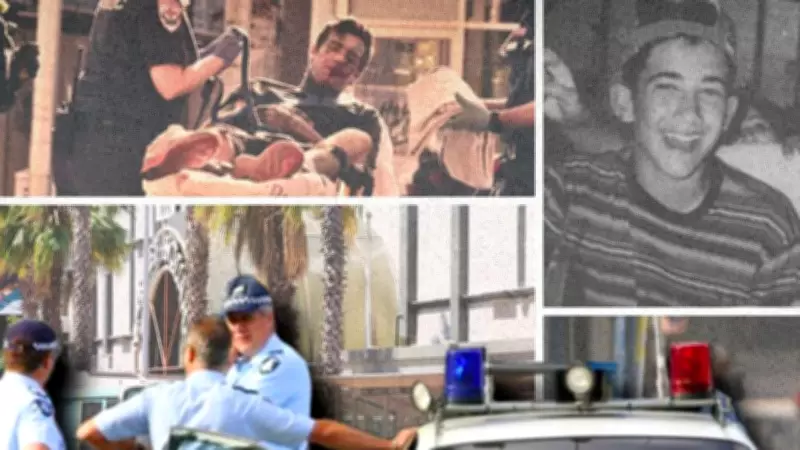
Three Decades of Bloodshed in Geelong's Troubled Heart
For thirty years, the city of Geelong has been grappling with a persistent cycle of violence that has left deep scars on its community. From the era of Ricky Balcombe to the present day, this troubled heart has witnessed a series of tragic events that continue to shape its identity and challenge its residents.
The Legacy of Ricky Balcombe
The story of Geelong's violence often traces back to figures like Ricky Balcombe, whose name has become synonymous with a darker chapter in the city's history. Balcombe's involvement in criminal activities during the 1990s marked a turning point, highlighting the emergence of organized crime and gang-related conflicts that would plague the area for years to come. His case underscored the vulnerabilities in local law enforcement and social systems, setting a precedent for future struggles.
Escalating Violence Over the Years
In the decades that followed, Geelong experienced a steady escalation in violent incidents, ranging from street brawls to more severe crimes. Key events include:

- High-profile assaults that drew national attention and sparked public outcry.
- Gang wars that intensified in the 2000s, leading to multiple fatalities and injuries.
- Drug-related violence that became increasingly common, fueling further bloodshed.
These incidents have not only claimed lives but also eroded trust within the community, creating an atmosphere of fear and uncertainty.
Current Challenges and Community Impact
Today, Geelong continues to face significant challenges related to violence, with recent years seeing a mix of old and new issues. Factors contributing to the ongoing bloodshed include:
- Socioeconomic disparities that drive desperation and criminal behavior.
- Inadequate resources for mental health and addiction services, exacerbating underlying problems.
- Youth involvement in crime, with younger generations being drawn into violent cycles.
The impact on residents has been profound, with many living in constant worry about safety and struggling to rebuild a sense of normalcy. Local businesses have also suffered, as violence deters investment and tourism, further straining the economy.
Efforts to Address the Crisis
In response to this thirty-year legacy, various initiatives have been launched to combat violence in Geelong. Community groups, law enforcement agencies, and government bodies have collaborated on strategies such as:
- Increased police patrols in high-risk areas to deter criminal activity.
- Youth outreach programs aimed at providing alternatives to gang life.
- Public awareness campaigns to educate residents on safety and reporting mechanisms.
While these efforts have shown some promise, experts warn that lasting change requires a multifaceted approach addressing root causes like poverty, education gaps, and social exclusion.
Looking Ahead: A Path to Healing
As Geelong reflects on three decades of bloodshed, there is a growing recognition that the path to healing must involve the entire community. Key steps forward include:
- Strengthening community bonds through events and support networks to foster resilience.
- Investing in long-term solutions such as improved housing, job opportunities, and healthcare access.
- Continuing dialogue between authorities and residents to ensure policies are effective and inclusive.
The journey from Ricky Balcombe's time to now has been marked by pain, but it also offers lessons for building a safer, more united future. With sustained effort and commitment, Geelong's troubled heart may yet find peace and renewal.