Dramatic Helicopter Rescue Saves Three Stranded After Boat Sinks on Great Barrier Reef
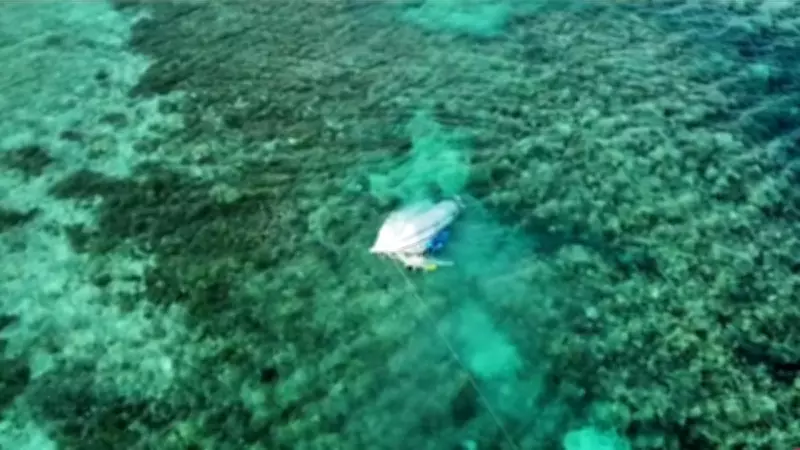
A dramatic rescue operation unfolded off a popular tourist island in Queensland after three boaties were left stranded when their vessel sank on a remote reef. The incident occurred near Lady Musgrave Island on the southern Great Barrier Reef, highlighting the perils of maritime travel in hazardous conditions.
Emergency Beacon Triggers Initial Alert
The Queensland Police Service first detected a signal from an unregistered Emergency Position Indicating Radio Beacon at approximately 3:30 a.m. on April 4. This alert originated from waters off Lady Musgrave Island, a location known for its pristine coral reefs and limited accessibility. Police were later informed that a small boat had sunk, forcing the three occupants to swim to shore for safety.
Due to adverse weather conditions and the early hour, authorities scheduled a rescue for later in the day. However, a failed Triple-0 call around 11:30 a.m. raised further alarm, prompting immediate action when attempts to re-establish contact proved unsuccessful.

Helicopter Dispatch and Airlift to Safety
In response to the escalating situation, a rescue helicopter was dispatched to the remote island. CapRescue crews successfully located the stranded trio and airlifted them to Gladstone Airport. The rescued individuals included a 24-year-old woman and a 23-year-old man from Labrador, along with a 54-year-old man from Coomera.
One of those involved, Talia Alriquet, later shared her account online, revealing that the boat sank on the reef overnight while only one person was onboard. "Only one of the three of us was on board when it happened," she wrote. "We managed to recover a few of our belongings and bring them back to the island where our camp was set up."
Communication Challenges and Desperate Measures
Alriquet explained that both radios on the boat were not functioning, though the satellite phone was operational. Despite calling Triple-0, no assistance was initially sent. In a bid to contact emergency services, the group later climbed a 13-metre radio tower on the island to gain signal reception. "By around midday, we decided to climb the tower to get signal and make another call," she said. "We used our phone on top of the tower where we managed to have data."
Lady Musgrave Island is a popular destination for day-trippers, typically reached by weather-dependent boat tours. It features a small campground for limited overnight stays but lacks permanent town infrastructure or mobile coverage, complicating rescue efforts in emergencies.
Safety Reminders and Investigation Underway
CapRescue CEO Darran Pirie expressed relief that the individuals were safely rescued, stating, "Thank goodness the people were able to get out of the boat." He emphasized the importance of proper safety measures, reminding boaties to ensure their radio beacons are correctly registered with the Australian Maritime Safety Authority. These devices are critical tools in emergencies, especially in remote areas like the Great Barrier Reef.
The cause of the sinking remains under investigation. At the time of the incident, marine forecasts warned of hazardous conditions, with winds up to 30 knots and seas reaching three metres off the Capricornia coast. This rescue serves as a stark reminder of the unpredictable nature of maritime travel and the vital role of emergency preparedness in ensuring safety on the water.