A recent letter to the editor has sparked an intriguing proposal to revitalise public transport in Canberra through the power of music. The suggestion comes from a local resident who witnessed a heartwarming incident on a bus, where a passenger playing a didgeridoo received applause and gratitude from fellow travellers.
The Didgeridoo Moment That Inspired Change
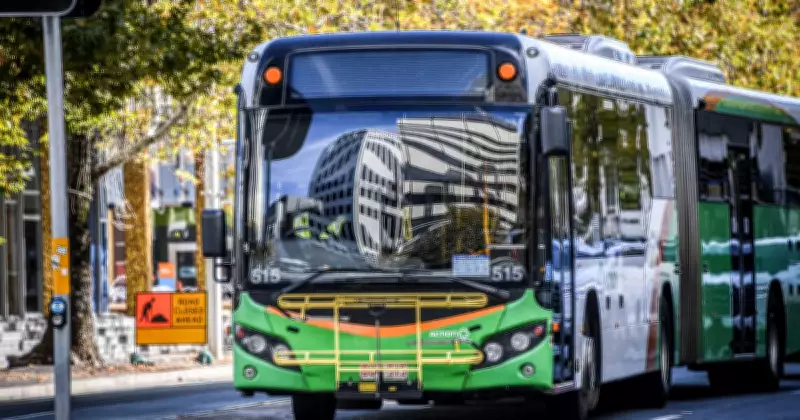
The writer describes a dignified man boarding a local bus with a didgeridoo, who after a respectful silence, played the instrument briefly but gloriously. Passengers responded with applause, and the bus driver warmly thanked him, saying, "You've made my day." This simple yet profound interaction has led to a broader question about the potential of such musical moments to encourage more people to choose buses over private vehicles.
Questioning the MyWay+ System
Reflecting on a recent editorial that questioned whether the MyWay+ public transport system will ever work as intended, the writer notes the system has cost $64 million so far. This prompts a reconsideration of whether overly complex solutions are necessary when simpler, more human-centred approaches might be more effective.

The proposal suggests that arranging free musical performances on buses could attract millions of people off the roads and onto public transport. Such initiatives could simultaneously address multiple urban challenges.
Potential Benefits of Musical Bus Performances
The writer outlines several potential advantages of incorporating musical moments into the public transport experience:
- Reduced pollution from fewer cars on the road
- Lower costs for road maintenance with decreased traffic
- Prevention of lung diseases through improved air quality
- Enhanced social cohesion among passengers
- Tourist attraction through a uniquely inspired bus service
The vision imagines Canberra's bus system becoming as iconic as London's red double-decker buses or big black taxis, creating a distinctive identity that draws both locals and visitors.
Other Reader Perspectives
The same letters section included several other notable contributions from Canberra residents:
Brand Accountability Concerns: One writer criticised Apple and Telstra for their handling of an iOS update that affected older iPhones, particularly regarding emergency call issues. The writer expressed frustration at the lack of communication from both companies and suggested consumers should not reward such behaviour by purchasing newer models.
The Digital Disconnection Movement: Another letter highlighted the growing phenomenon of people spending excessive time on mobile devices, with Australians reportedly spending 41 hours weekly online. The writer promoted the "Off February" movement, encouraging people to delete social media apps for the month to reclaim 50-160 hours for more meaningful activities like walking, cooking, and social interaction.
Interest Rate Nuances: A different perspective challenged the uniformly negative portrayal of interest rate increases, noting that government statistics show almost half of homeowners have no mortgage. For this demographic, higher interest rates can increase spending power through better returns on cash investments, potentially benefiting the broader economy.
Reality TV Realities: Finally, a celebrant offered a reality check about reality television programs, emphasising their constructed nature for entertainment purposes rather than reflecting genuine relationships or events.
Rethinking Public Transport Engagement
The musical bus proposal represents a creative approach to addressing public transport challenges that goes beyond technological solutions. By focusing on human experience and community connection, such initiatives could transform mundane commutes into enjoyable cultural moments.

As cities worldwide grapple with transportation sustainability, social isolation, and urban livability, simple interventions like musical performances on public transport offer an accessible way to address multiple issues simultaneously. The Canberra example demonstrates how local observations can inspire innovative solutions with potentially far-reaching benefits for community wellbeing and environmental health.