Sydney Wakes to Fire Smoke Blanket as Dust Clouds Smash Western Regions
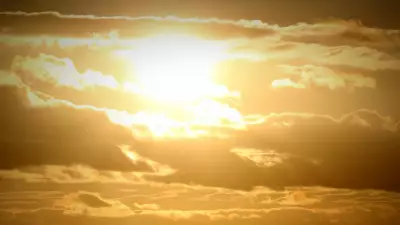
Sydney residents have woken to a thick blanket of fire smoke, while western New South Wales is being battered by wild dust clouds, creating significant health and environmental concerns across the state. This dual atmospheric event has led to hazy skies and reduced air quality, prompting warnings from authorities.
Fire Smoke Engulfs Sydney
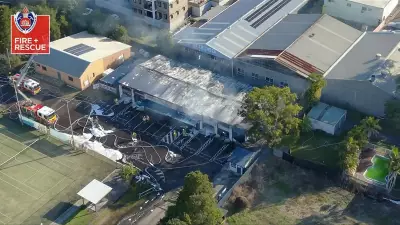
The fire smoke blanketing Sydney is primarily attributed to ongoing bushfires in various parts of the state. This smoke has drifted into the metropolitan area, causing a noticeable haze and impacting visibility. Residents have reported a strong smell of smoke in the air, with many expressing concerns about respiratory issues, especially for vulnerable groups such as children and the elderly.
Health officials have advised people to limit outdoor activities and keep windows closed to minimise exposure to the poor air quality. The smoke has also affected daily routines, with some schools and businesses considering adjustments to protect students and employees from the hazardous conditions.

Dust Clouds Hit Western NSW
Simultaneously, western regions of New South Wales are experiencing severe dust clouds, which have been described as wild and intense. These dust storms are being driven by strong winds and dry conditions, common in the area during this time of year. The dust has reduced visibility on roads, posing risks for drivers and potentially disrupting transportation.
Local communities in the west are dealing with the aftermath, including cleaning up dust that has settled on properties and infrastructure. The dust clouds are also exacerbating air quality issues, compounding the effects of the fire smoke from other parts of the state.
Environmental and Health Impacts
The combination of fire smoke and dust clouds is raising alarms about environmental and health impacts. Air quality indexes in affected areas have shown elevated levels of particulate matter, which can lead to respiratory problems, allergies, and other health issues. Authorities are monitoring the situation closely and providing updates to the public.
This event highlights the broader challenges of climate and weather patterns in Australia, with experts noting that such occurrences may become more frequent due to factors like drought and bushfire seasons. It underscores the need for preparedness and resilience in communities across New South Wales.
Response and Precautions
In response to the deteriorating air quality, emergency services and health departments have issued advisories. Residents are urged to stay informed through official channels and take necessary precautions, such as using air purifiers indoors and wearing masks if venturing outside. Schools and workplaces are encouraged to implement safety measures to protect individuals from the harmful effects.
The situation serves as a reminder of the interconnectedness of environmental events in Australia, where smoke from fires and dust from arid regions can converge to affect large populations. Ongoing monitoring and community awareness are key to mitigating the impacts of such atmospheric phenomena.