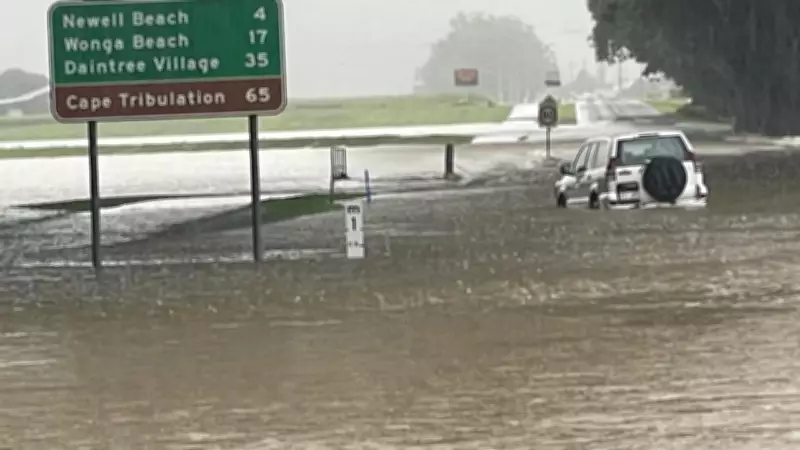
Bureau of Meteorology Defends Late Weather Warnings After Far North Deluge
The Bureau of Meteorology has come under scrutiny and issued a robust defence of its weather warning protocols following a significant weekend deluge that led to widespread flooding across Far North Queensland. The intense rainfall event, which unfolded rapidly over the weekend, caught many residents off guard, prompting questions about the timeliness of official alerts.
Rapid Storm Development Cited as Key Factor
In response to criticism, the Bureau emphasised that the storm system developed with exceptional speed and intensity, making precise forecasting challenging. Meteorologists explained that while general heavy rain was anticipated, the specific location and severity of the deluge were difficult to predict accurately until the event was already underway. This rapid development, they argued, limited the window for issuing earlier warnings, though alerts were disseminated as soon as reliable data became available.
The weekend weather event saw torrential downpours across the region, resulting in flash flooding that inundated roads, properties, and low-lying areas. Emergency services were deployed to assist affected communities, with reports of minor damage and disruptions to local infrastructure. Residents expressed frustration over the short notice, highlighting concerns for safety and preparedness in future extreme weather incidents.

Community Impact and Response Efforts
The flooding has had a tangible impact on Far North Queensland communities, with local authorities coordinating clean-up operations and damage assessments. The Bureau acknowledged the community's distress and reiterated its commitment to improving warning systems through ongoing technological advancements and enhanced monitoring capabilities. They noted that climate patterns are becoming increasingly volatile, necessitating adaptive strategies in meteorological forecasting.
Experts in environmental science have weighed in, suggesting that such events may become more frequent due to broader climatic changes, underscoring the importance of robust warning mechanisms. The Bureau has pledged to review its procedures in light of this incident, aiming to balance accuracy with timeliness to better serve the public.
As recovery efforts continue, the focus remains on ensuring residents are informed and prepared for future weather extremes, with calls for increased public awareness and investment in forecasting infrastructure.