South Australia's Wet Weekend Sparks Major Mosquito Surge and Disease Risk
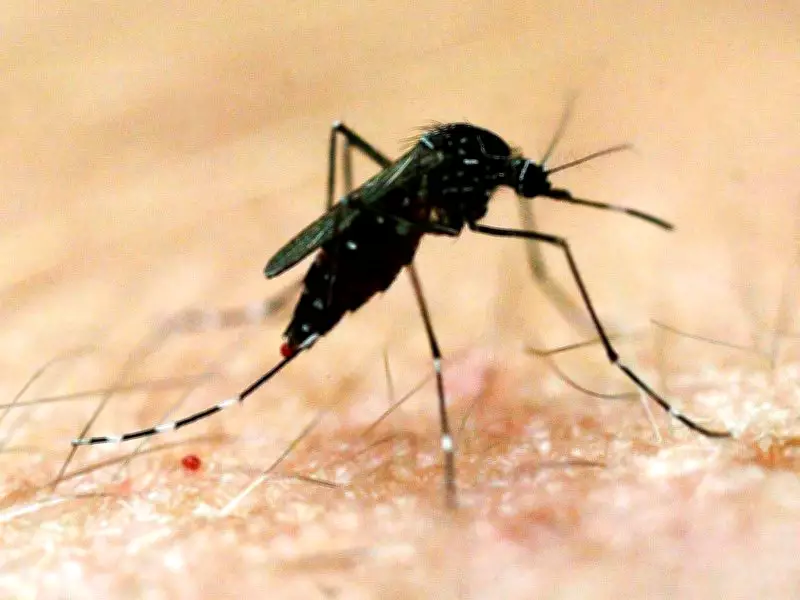
Recent heavy rainfall followed by warm, humid conditions in South Australia has created the perfect storm for a significant increase in mosquito populations, with health experts warning that the timing could not be worse as disease-carrying species begin to thrive. Authorities have highlighted that many of the mosquitoes emerging during this period are capable of spreading serious illnesses, including Ross River virus and the potentially deadly Japanese encephalitis virus (JEV).
Ideal Breeding Conditions Lead to Mosquito Boom
Days of persistent rain combined with subsequent warm and humid weather have produced ideal breeding environments for mosquitoes across South Australia. This surge in numbers is particularly concerning as it coincides with the onset of peak activity for species known to transmit viruses. Health officials emphasize that the current conditions are ripe for a rapid expansion of mosquito populations, posing a heightened public health threat.
Health Risks: Japanese Encephalitis and Ross River Virus
Japanese encephalitis virus, while often asymptomatic in most infected individuals, can lead to severe complications in a small proportion of cases. Mild symptoms may include fever and headache, but more serious outcomes can involve inflammation of the brain, presenting with confusion, unusual behavior, seizures, weakness, and abnormal movements. Encephalitis from JEV can result in permanent nervous system damage or even death, making prevention crucial.

Ross River virus is another significant concern, spread through mosquito bites from infected animals to humans. SA Health warns that the virus can also be transmitted between people. While many infected individuals, especially children, show no symptoms, the elderly are at high risk. Symptoms vary but often include:
- Fever and chills
- Joint pain, swelling, and stiffness
- Muscle aches and headaches, particularly behind the eyes
The most distinctive and distressing feature of Ross River virus infection is typically joint pain. Those experiencing any symptoms are strongly urged to consult a medical professional promptly.
Additional Insect Activity and Long Weekend Precautions
In addition to mosquitoes, flying termites are expected to appear in large numbers due to the same warm, saturated conditions. Although considered harmless and serving as a food source for birds and larger insects, their presence underscores the broader impact of the weather on local ecosystems.
With the long weekend approaching, health authorities are urging South Australians to take proactive measures to protect themselves. Recommendations include:
- Packing and using insect repellent regularly
- Covering up with long sleeves and pants, especially during outdoor activities
- Avoiding high-risk regions such as the Murray Mallee, where mosquito activity is anticipated to be intense
These precautions are essential to minimize the risk of mosquito-borne diseases during a time when many people are likely to be traveling and spending time outdoors.
Conclusion: Stay Vigilant and Prepared
The combination of wet weather and warm temperatures in South Australia has set the stage for a dangerous increase in mosquito populations, with serious health implications. By staying informed and taking preventive actions, residents and visitors can help reduce the spread of viruses like Ross River and Japanese encephalitis, ensuring a safer environment for all during the upcoming long weekend and beyond.