Final Blood Moon Before 2028 to Grace WA Skies on Tuesday Night
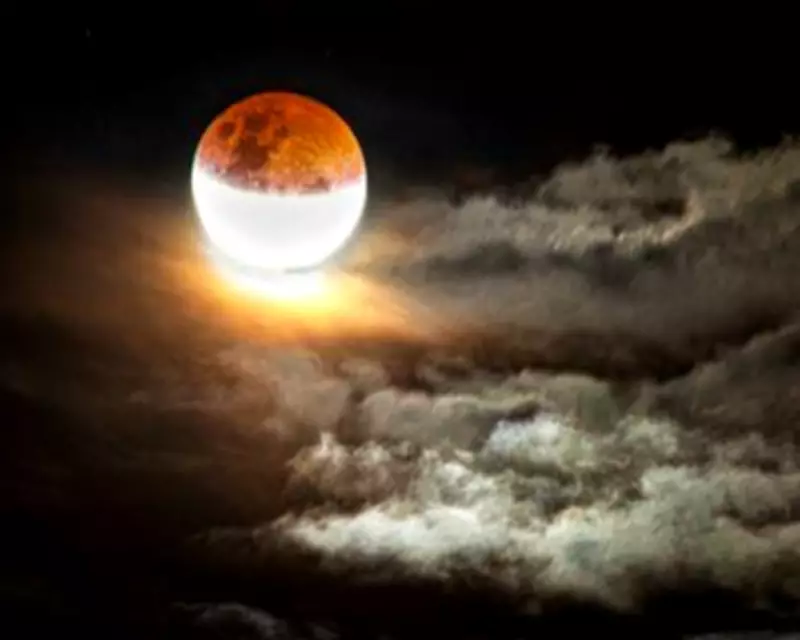
Australians are poised to experience the last blood moon for two years this Tuesday evening, a celestial event that will paint the skies with a striking red hue across the globe. This phenomenon occurs when the Sun, Earth, and Moon align perfectly, causing the Moon to pass into Earth's shadow, creating a dramatic visual spectacle.
Expert Insights on the Lunar Eclipse
Matt Woods from Perth Observatory explains that the eclipse will intensify in colour as totality peaks, transforming the Moon into a deep red or blood orange shade. "Unlike a total solar eclipse, where the Moon blocks the Sun, a lunar eclipse happens when Earth moves between the Sun and the Moon," Mr Woods said. "Even though Earth blocks direct sunlight, some light filters through our atmosphere, giving the Moon its reddish glow."
In September, cloud cover obstructed West Australians' view of a total lunar eclipse, but Mr Woods offers reassurance for this event. The forecast appears clear, promising visible conditions for WA skywatchers for the first time since 2022, ensuring an unobstructed view of this rare occurrence.

Where and When to Watch in Perth
Sky enthusiasts should look up around 7pm on Tuesday night for optimal viewing. "Any large open areas are perfect for seeing this event," Mr Woods advised PerthNow. Recommended locations include:
- Kings Park
- Matilda’s Bay
- Perth Hills
- Golden View Lookout
- Your own backyard
"You don't need to travel far; anywhere with an eastern view will provide a full glimpse of the Moon," Mr Woods added. The partial eclipse commences at 5.30pm AWST, with the Moon rising at 6.43pm, already partially eclipsed. Totality begins at 7.04pm, lasting approximately one hour, with the eclipse emerging around 8.02pm and concluding at 9.17pm.
Future Celestial Events
The next red supermoon event is scheduled for New Year's Eve 2028, marking a significant date for astronomy enthusiasts. 2028 will be a special year for West Australians, featuring a partial lunar eclipse on the early morning of 7 July and a total solar eclipse near Kununurra on 22 July, offering more opportunities for stargazing and celestial observations in the region.