In a remarkable achievement for Australian wildlife conservation, the Australian Reptile Park has successfully bred king cobras for the very first time in its history. This significant milestone represents the culmination of an extensive and carefully managed breeding and incubation program that has spanned several years.
A Landmark Achievement in Reptile Conservation
Park manager Billy Collett expressed immense pride in this groundbreaking accomplishment, stating that these hatchlings symbolize years of dedicated preparation and unwavering patience. "This is something very few facilities in the world have managed to achieve," Collett remarked, highlighting the rarity and complexity of breeding king cobras in captivity.
These newborn snakes are particularly special as they represent the first king cobras to be born on Australian soil in 16 years. Despite their current small size of less than 30 centimeters, these hatchlings already exhibit the distinctive characteristics and behaviors of their species.

Extraordinary Care for Extraordinary Snakes
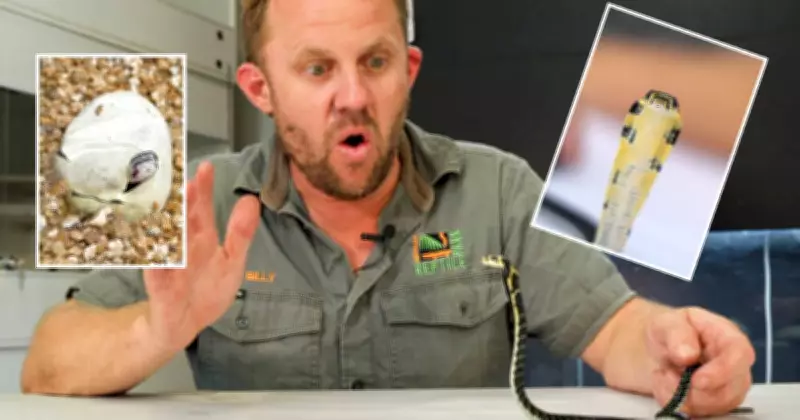
Operations manager Brandon Gifford shared fascinating insights into the hatchlings' early development, noting that even before fully emerging from their eggs, one of the baby cobras was already displaying classic defensive behavior. "One of them was in the egg hooding up at us," Gifford recalled, referring to the iconic threat display where cobras spread their neck ribs to form a hood.
Collett emphasized the need for extreme caution when working with these newborns, explaining that despite their miniature size, they possess the same potent venom as adult king cobras. "They're tiny, but they are still very much king cobras. Even at this size they are extremely venomous, so our keepers are taking extra precautions when working with them," he stated.
The Breeding Journey of Medusa and Rajar
The successful breeding resulted from the careful pairing of two adult king cobras named Medusa and Rajar, who were introduced to each other in September 2025. The breeding process culminated in Medusa laying eggs in November, which were then placed in artificial incubation to maximize the chances of successful hatching.
Gifford reflected on the significance of this achievement for Australia's reptile conservation efforts, noting that "as far as Australia goes, we are in our infancy with breeding the king cobra, so this is a very exciting day for us."
Visitors Gain Rare Opportunity
These new additions to the park's reptile collection provide Australian visitors with an exceptional opportunity to observe one of the world's most iconic snake species without traveling overseas. "They captivate people all over the world," Gifford observed. "For young people especially, being able to see a king cobra is a massive box ticked."
Fascinating Facts About the King of Snakes
Native to various regions across Asia, king cobras hold the distinction of being the world's longest venomous snake species, capable of growing up to an impressive 5.5 meters in length. What truly sets them apart from other snakes is their specialized diet.
"They're king of snakes. They eat other snakes, that's all they eat," Gifford explained, referencing their scientific name Ophiophagus, which literally translates to "snake eater." This unique feeding behavior has earned them both their common name and their position at the top of the snake hierarchy.
While the newborn king cobras will remain behind closed doors for now as they continue to develop under careful supervision, visitors to the Australian Reptile Park can still view their father, Rajar, who resides in the park's Lost World of Reptiles exhibit. This historic breeding success represents not just a triumph for the park but a significant contribution to global reptile conservation and education efforts.