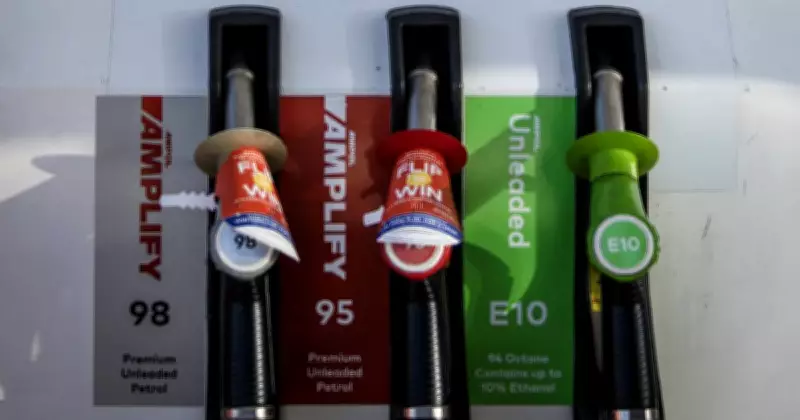
Understanding E10 Fuel: A Comprehensive Guide for Australian Drivers
E10 fuel, a blend of 90% unleaded petrol and 10% ethanol, has become increasingly common at Australian service stations. As drivers seek more affordable and environmentally friendly options, many are questioning whether E10 is a viable choice for their vehicles. This article delves into the key aspects of E10 fuel, addressing concerns about its effects on cars and its potential to save money.
What Is E10 Fuel and How Does It Work?
E10 fuel is a biofuel mixture that incorporates ethanol, typically derived from renewable sources like sugarcane or grains. The ethanol content, at 10%, is designed to reduce greenhouse gas emissions compared to pure petrol. In Australia, E10 is widely available and often marketed as a cheaper alternative to standard unleaded fuel. However, its compatibility with vehicles varies, making it essential for drivers to understand their car's requirements.
Is E10 Fuel Bad for Your Car? Potential Risks and Considerations
One of the primary concerns about E10 fuel is its potential to cause damage to certain vehicles. Ethanol can be corrosive to some engine components, particularly in older cars or models not designed for ethanol blends. This may lead to issues such as:

- Fuel system degradation: Ethanol can deteriorate rubber seals and hoses over time, potentially causing leaks or reduced performance.
- Engine performance problems: Incompatible vehicles might experience rough idling, reduced power, or increased fuel consumption.
- Warranty implications: Using E10 in a car not approved by the manufacturer could void warranties, so checking your vehicle's manual is crucial.
Most modern vehicles manufactured after 1986 are generally compatible with E10, but it's always best to consult your car's specifications or a mechanic to avoid costly repairs.
Could E10 Fuel Save You Money? Analyzing Cost-Effectiveness
E10 fuel is often priced lower than regular unleaded petrol, which can lead to immediate savings at the pump. For example, if E10 is 5 cents per litre cheaper, a driver filling a 50-litre tank could save $2.50 per refuel. However, the overall cost-effectiveness depends on several factors:
- Fuel efficiency: Ethanol has a lower energy content than petrol, meaning some vehicles may use more E10 to travel the same distance, potentially offsetting initial savings.
- Vehicle compatibility: If E10 causes engine issues, repair costs could outweigh any fuel savings.
- Long-term benefits: For compatible cars, regular use of E10 might contribute to lower maintenance costs due to its cleaner-burning properties.
To determine if E10 saves money, drivers should compare prices, monitor their car's fuel consumption, and consider their vehicle's suitability.
What Drivers Need to Know Before Using E10 Fuel
Before switching to E10, it's essential to gather accurate information to make an informed decision. Key points include:
- Check your vehicle's manual: Look for ethanol compatibility ratings or consult the manufacturer's guidelines.
- Monitor performance: If you try E10, pay attention to any changes in engine behavior or fuel economy.
- Consider environmental impact: E10 can reduce carbon emissions, making it a greener option for eco-conscious drivers.
- Be aware of availability: While E10 is common in urban areas, it might be less accessible in regional locations.
By understanding these factors, drivers can weigh the pros and cons of E10 fuel based on their individual needs and circumstances.
Conclusion: Making an Informed Choice About E10 Fuel
E10 fuel presents both opportunities and challenges for Australian motorists. While it offers potential cost savings and environmental benefits, its suitability varies by vehicle. Drivers should prioritize checking compatibility, calculating true cost-effectiveness, and staying informed about their car's performance. Ultimately, E10 can be a viable option for many, but careful consideration is key to avoiding pitfalls and maximizing advantages.