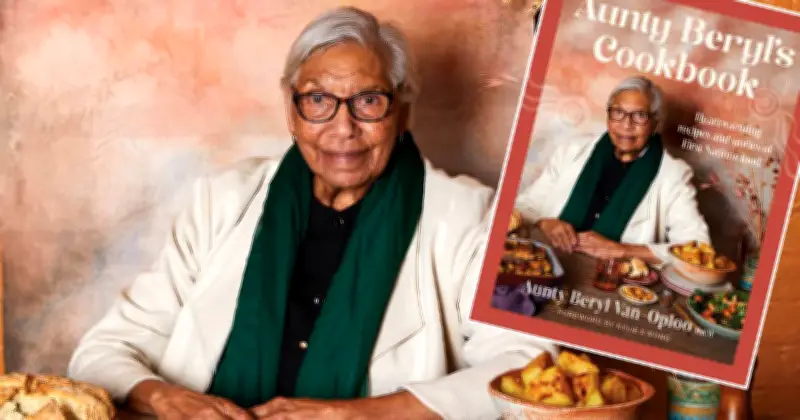
Aunty Beryl Van Oploo, a respected Gamilaroi elder, is sharing her deep knowledge of native foods, highlighting their cultural importance and health benefits. Her teachings aim to reconnect people with traditional Australian ingredients.
Traditional Knowledge Passed Down
Aunty Beryl, who grew up in the Moree region of New South Wales, learned about bush foods from her elders. She recalls gathering fruits, seeds, and roots with her family, a practice that sustained her community for generations. "Our ancestors lived off the land, and they knew exactly what to eat and when," she says. "This knowledge is precious, and I want to pass it on."
Native Foods and Their Benefits
Among the foods she highlights are wattleseed, which can be ground into flour, and quandong, a native peach rich in vitamin C. She also teaches about the value of native herbs and spices, such as lemon myrtle and aniseed myrtle. According to Aunty Beryl, these foods are not only nutritious but also have medicinal properties. "They helped our people stay healthy for thousands of years," she explains.

Cultural Significance
For Aunty Beryl, sharing this knowledge is about preserving culture. She conducts workshops and talks at schools and community events, demonstrating how to prepare and use native ingredients. "When our people eat these foods, they connect with their heritage," she says. "It's a way of keeping our traditions alive."
Modern Applications
She encourages modern Australians to incorporate native foods into their diets, noting that many are now available in supermarkets. "You can use wattleseed in cakes, or make a tea from lemon myrtle," she suggests. "It's easy and delicious." Aunty Beryl believes that embracing these foods can foster a greater appreciation for Indigenous culture.
Preserving the Legacy
Aunty Beryl is part of a growing movement of Indigenous elders sharing their wisdom. She stresses the importance of teaching younger generations. "Our kids need to know this knowledge," she says. "It's who we are." Her efforts are supported by organizations like the Royal Botanic Gardens, which have collaborated with her on projects to document and promote native foods.