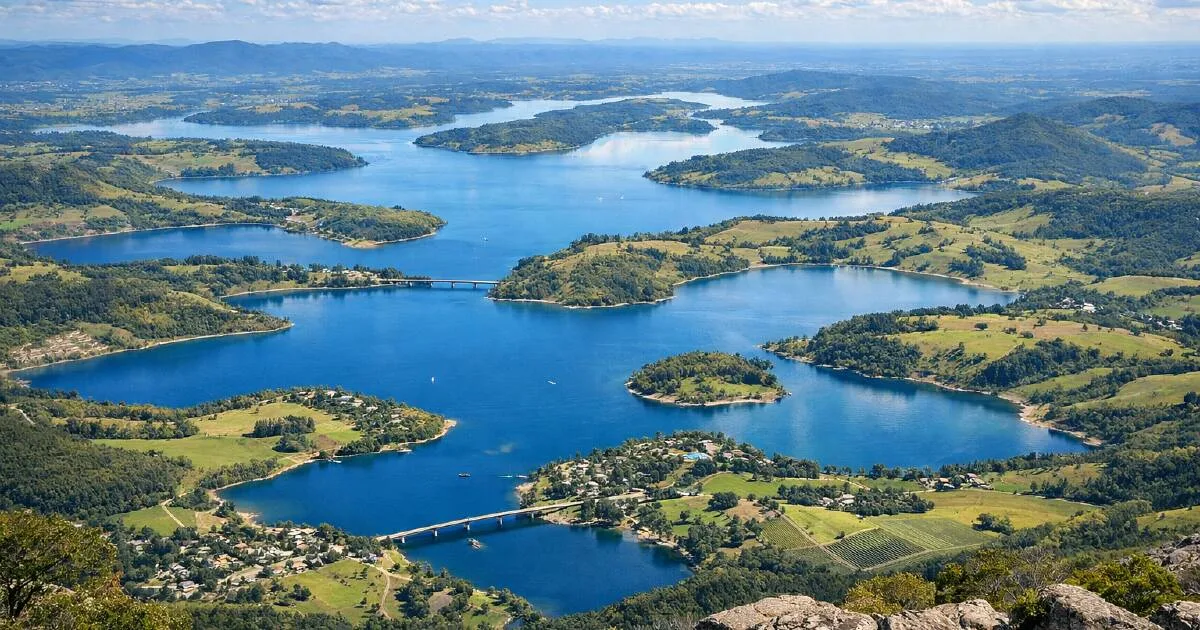
A proposal to repurpose disused mining voids in the Upper Hunter into a series of interconnected lakes is progressing, with proponents claiming key water management issues can be resolved. The Hunter Valley Lakes Corporation aims to link at least four mining voids to create large-scale water storage and tourism projects, a concept that has been under investigation for seven years.
Greg Story, director of Hunter Lakes Corporation, said recent work has focused on addressing water balance and contamination challenges. Research by German consultants LEAG, who developed the Lusatia Lakes District in eastern Germany, and data from the Hunter River Salinity Trading Scheme indicate that salinity levels can be effectively managed within an artificial lakes system. Mr Story explained that once a void is filled, it reaches pressure stabilization with the surrounding aquifer, preventing saline water inflow.
Additionally, recent rainfall data suggests filling the voids may be easier than previously thought, as Lower Hunter flooding events have increased over the past six years. Mr Story noted that flood waters could be redirected into the mining voids, channeling excess water that would otherwise be wasted. He remarked that climate change is altering the project's fundamentals in a positive way.

The Hunter Valley Lakes Corporation is seeking federal funding for a formal feasibility study. Mr Story stated that the lakes scheme would provide a coordinated solution to post-mining land use and rehabilitation, offering a vastly superior environmental outcome compared to current practices. He also highlighted the potential for a vast freshwater bank for irrigation and urban supplies, supporting industries such as power generation, agriculture, horticulture, renewable energy, manufacturing, and equine.
Hunter MP Dan Repacholi expressed support, describing the project as smart, practical thinking that delivers water security, jobs, and mine rehabilitation simultaneously. He emphasized that it turns old mine voids into long-term assets for the Hunter region, ensuring water security today and opportunities for future generations.