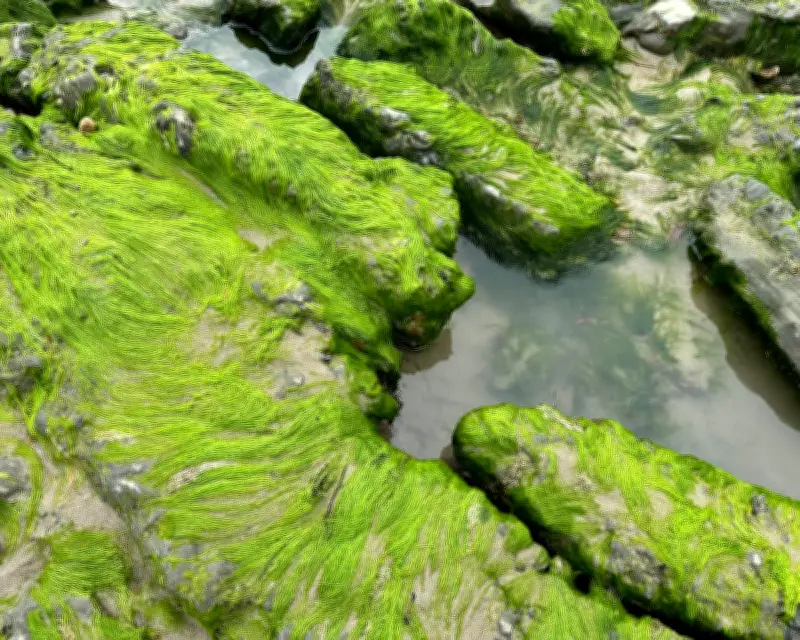
A groundbreaking study has used seaweed to uncover a hidden history of water pollution along the Australian coastline. Researchers have found that certain species of seaweed act as natural archives, absorbing and retaining contaminants from the water for decades. This discovery provides a new tool for tracking pollution over time, offering insights into the long-term impact of human activity on marine ecosystems.
How seaweed becomes a pollution record
Seaweed, particularly long-lived species like kelp, absorbs nutrients and pollutants from the water as it grows. Over time, layers of the algae build up, creating a timeline of environmental conditions. Scientists have now developed methods to analyze these layers, identifying traces of heavy metals, pesticides, and other contaminants. According to Dr. Maria Santos, lead researcher at the University of Sydney, "Seaweed is like a diary of the ocean. It records what's in the water year after year."
Decades of data revealed
In a study published in the journal Marine Pollution Bulletin, researchers examined seaweed samples from 20 sites along the east coast of Australia. They found that levels of copper, zinc, and lead increased significantly from the 1950s onwards, coinciding with industrial expansion. The data showed a peak in pollution in the 1980s, followed by a gradual decline after stricter environmental regulations were introduced. However, some contaminants, such as certain pesticides, remained elevated in agricultural regions.

Implications for environmental policy
The findings highlight the lasting impact of pollution and the importance of long-term monitoring. "This technique allows us to look back before routine monitoring began," said Dr. Santos. "It provides a baseline for assessing the effectiveness of current policies." Environmental groups have welcomed the research, calling for stronger regulations to prevent further contamination. The study also underscores the need for ongoing investment in marine conservation.
Future research directions
The research team plans to expand the study to other regions, including remote areas of the Great Barrier Reef. They also hope to use seaweed to track emerging contaminants, such as microplastics and pharmaceuticals. "Seaweed can tell us so much about the health of our oceans," added Dr. Santos. "We are just beginning to unlock its secrets."