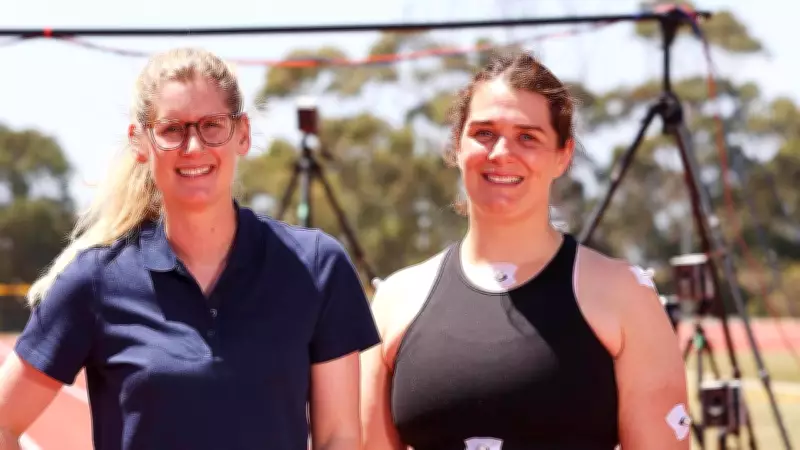
In a groundbreaking study based in Geelong, researchers are delving into the accuracy of fitness watches when used by parents who engage in pram running. This investigation aims to uncover whether these popular wearable devices provide a complete and reliable picture of physical activity for this specific demographic.
Examining the Data Gaps in Wearable Technology
The research focuses on the potential discrepancies that may arise when fitness watches track the movements of individuals pushing prams. Scientists hypothesise that the unique biomechanics and effort involved in pram running could lead to inaccuracies in step counts, calorie burn estimates, and overall activity metrics reported by the devices.
Methodology and Participant Involvement
The study involves a cohort of parents from the Geelong area who regularly incorporate pram running into their fitness routines. Participants are equipped with various models of fitness watches, and their activities are monitored under controlled conditions. Researchers are comparing the data from the watches with more precise measurements obtained through laboratory equipment to assess the level of accuracy.

Key findings from preliminary observations suggest that some fitness watches may underestimate the intensity of pram running, potentially due to the altered arm swing and posture required when pushing a pram. This could result in parents not receiving full credit for their physical exertion, which might impact motivation and fitness tracking goals.
Implications for Health and Fitness Enthusiasts
The outcomes of this study hold significant implications for the broader community of fitness watch users, particularly parents seeking to maintain an active lifestyle. Accurate tracking is crucial for setting realistic fitness targets, monitoring progress, and ensuring that health benefits are properly quantified.
- Enhanced understanding of how wearable technology performs in real-world scenarios beyond standard running or walking.
- Potential for manufacturers to update algorithms and improve device accuracy for diverse user activities.
- Empowerment of parents with better tools to manage their fitness journeys amidst busy schedules.
Future Directions and Community Impact
As the research progresses, scientists plan to expand the study to include a larger sample size and explore other parental activities that might similarly challenge fitness watch accuracy. The Geelong-based team aims to publish their results in peer-reviewed journals, contributing valuable insights to the fields of sports science and digital health.
This initiative underscores the importance of tailoring fitness technology to meet the needs of all users, ensuring that everyone, from avid athletes to busy parents, can rely on their devices for truthful and comprehensive activity data. The study also highlights Geelong's role as a hub for innovative health research, fostering local engagement and scientific advancement.