Braddon's Culinary Legacy: Does Eightysix Still Define Canberra's Renaissance?
It can be difficult to pinpoint when an era truly ends, especially when constant novelty distracts from reflection. The allure of new experiences is undeniable—early adoption brings excitement, and fresh beginnings offer thrills. Yet, there is profound interest in what follows after the peak has passed. For Braddon in Canberra, the high renaissance of urban renewal appears to have concluded, though the exact moment remains elusive. While some pockets await transformation, most artist impressions have evolved into vibrant inner-city reality.
The Heart of Braddon's Renaissance
To grasp the essence of Braddon's culinary and creative flourishing, one must consider Eightysix, established in 2013. Initially known for its loud, brash atmosphere—with early reviews noting staff's profanity and advising against bringing grandmothers—it represented a bold departure. Today, while Braddon may no longer be Canberra's most thrilling precinct, it would be ahistorical to deny its past role as a hub of innovation that inspired a generation to reshape the city.
Photographs from a decade ago often highlight how quickly trends fade, yet Eightysix in its original location endures impressively. Open for dinner every night, it demonstrates why Braddon remains relevant post-renewal. The restaurant's $105-per-person tasting menu begins with a cheeseburger slider—a nostalgic nod to a time before these became ubiquitous at events. The version here showcases quality meat and thoughtful preparation, elevating a typically humble dish with rich, gooey cheese, a soft bun, and crisp onion.

A Culinary Journey Through the Menu
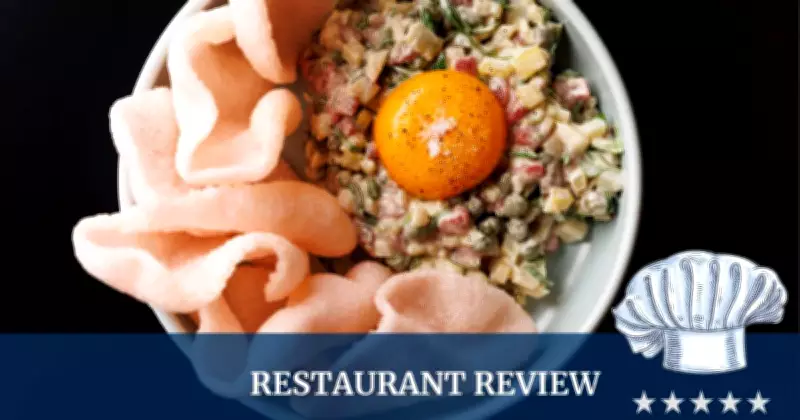
The beef tartare that follows incorporates habanero, listed intimidatingly on the menu but applied with restraint. Paired with prawn crackers for crunch, it offers a relaxed, scoopable texture that complements the spice. Next, barramundi—often a bland canvas—is treated with artistic finesse, accompanied by shiitake, salted cucumber, black bean, ginger, and white soy. The salt enhances the cucumber, while the fish allows supporting elements to shine, avoiding the dullness common in lesser preparations.
Pumpkin and mascarpone tortellini further exemplify the kitchen's skill, with silky pasta, hazelnuts for contrast, and smooth, robust pumpkin filling. This dish challenges any notion that pasta requires meat to be worthwhile, proving its point deliciously. Service remains enthusiastic, even on Sundays, with an intelligent drinks list featuring local wines by the glass, making moderation accessible.
Highlights and Minor Quibbles
The main shared plate features a char-roasted chicken hindquarter, dusted with large salt flakes and served with slaw. Execution is flawless: the chicken falls tenderly from the bone, with crispy skin, while the slaw—often overlooked—softens absorbingly, offering a cold, tangy contrast. However, this ensemble player feels somewhat isolated in the pre-dessert course, better suited among other shared dishes.
Desserts include a chocolate Bavarian and a pretzel-loaded banoffee pie, both decadent and satisfying. The pie is light with creamy topping, salty pretzels adding crunch to banana and toffee, while the chocolate cake, modest in stature, sits in a pool of sauce with ice cream. These are not avant-garde creations but solid, fulfilling options that leave no desire for more.
The Enduring Appeal of Eightysix
Maintaining a restaurant for over a decade, serving dinner nightly, and moving beyond the hype of novelty requires remarkable stamina. Yet, it's clear why many insist Eightysix is their absolute favourite—it embodies a vibe, a philosophy, and a dining experience that transcends menu evolution. The initial shock of the new has faded, revealing a restaurant of substance beneath.
While Braddon's renaissance may have ended, Eightysix stands as a testament to its legacy, continuing to draw patrons with consistent quality and character.