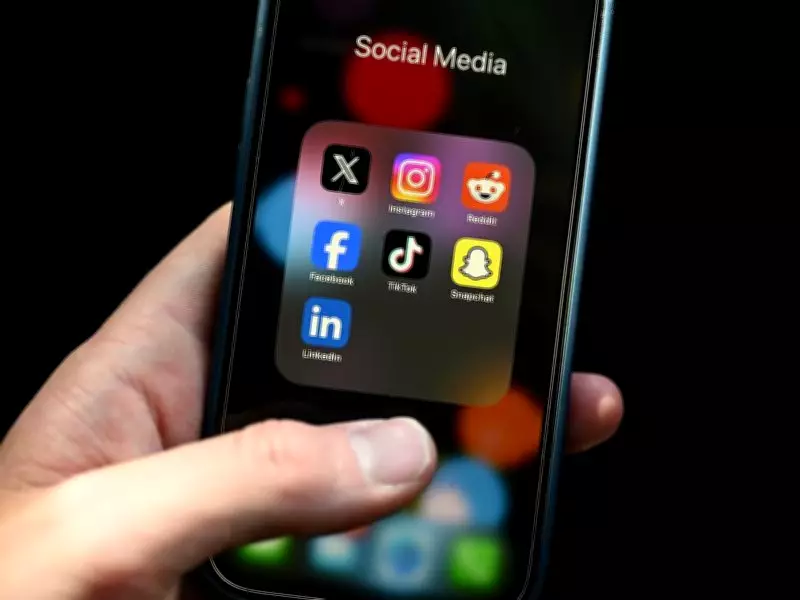
Four content creators known as “finfluencers” have been put on notice as part of a crackdown on unlicensed financial advice and deceptive conduct being dished up to Australians scrolling social media.
Finfluencers use popular platforms to discuss money, investments, budgeting and products, often tapping into what one expert described as a cohort of young Australians “genuinely hungry for financial advice”.
The issue, according to the Australian Securities and Investments Commission (ASIC), is that many do not hold the licence needed to push the advice that they do, and there is ongoing concern about their influence on financial decision making.

More than 60 per cent of Australians aged 18 to 28 turn to social media for financial advice, and more than half of all people in the Gen Z cohort say they somewhat or completely trust information from finfluencers, research from ASIC’s Moneysmart education platform found.
Commonly promoted against the backdrop of a flashy lifestyle
Dodgy finfluencers pounce on the dream of “financial freedom, fast”.
‘Winners post, losers quietly disappear’
“It’s the idea that through crypto, property, shares, or some trading strategy, you can escape the slow grind of ordinary employment,” RMIT University finance professor Angel Zhong told 7NEWS.com.au.
“It is aspirational content dressed up as financial guidance.
“I have seen and researched cases where young Australians, often in their early 20s, have put significant portions of their savings, sometimes borrowed money, into assets promoted by finfluencers, particularly in crypto.
“When markets turned, those losses were devastating and, in some cases, not just financial, the psychological toll was severe.
“On the flip side, some who got in early on certain assets did see real gains, which creates survivorship bias.
“The winners post about it; the losers quietly disappear. That skews public perception dramatically.”
ASIC is currently working alongside 16 global regulators to thwart unlawful advice, guidance and promotions before consumers get ripped off.
The corporate watchdog revealed Friday it had issued warning notices to four finfluencers suspected of providing unlicensed financial advice or engaging in misleading or deceptive conduct, including claims of guaranteed returns.
It is also reviewing several Australian Financial Services (AFS) licensees about their supervision of 15 finfluencers.
“Finfluencers must either hold an AFS licence or operate as an authorised representative to legally provide financial product advice or arrange for their followers to deal in financial products,” ASIC Commissioner Alan Kirkland said.
Without all boxes ticked, finfluencers “cannot offer financial advice in Australia and could face up to five years’ imprisonment or million-dollar fines”.
Tyson Scholz, or ASX Wolf, is perhaps ASIC’s most high-profile case of enforcement action, with a court order prohibiting him from operating a financial services business after he was investigated for doing so without a requisite licence.
And Gabriel Govinda, known as “Fibonarchery”, was fined and sentenced in 2023 to a term of imprisonment for market manipulation and finfluencer-related conduct.
“When viewing financial content on social media, we urge Australians to check a creator’s credentials, and sense‑check the information before acting on it,” ASIC Commissioner Alan Kirkland said.
“If someone on social media is promising easy money or guaranteed returns, there is a real risk they’re breaking the law, and you could be the one who loses money.”
Why Australians turn to finfluencers
Zhong believes one reason why Australians have turned to finfluencers is because licensed advisers are costly, “and ongoing advice relationships are typically built around clients with existing wealth”.
“That leaves a significant advice gap for younger, asset-light Australians who are just starting out,” she said.
“Second, this same demographic are heavy, native users of social media platforms. They already live on TikTok, Instagram, and YouTube.

“So when they go looking for financial information, they go there first. And the content they find is designed to be engaging, accessible, and algorithmically rewarded for holding attention.
“Third, there is a deep distrust of traditional financial institutions among younger cohorts, partly earned through scandals exposed by the Royal Commission.
“Finfluencers feel like peers rather than salespeople.
“That parasocial trust is powerful and it’s precisely what makes unqualified advice in that format so much more influential, and so much more dangerous, than the same words from a stranger.”
Zhong believes a prior warning from ASIC in 2022 had “put the industry on notice” and created real uncertainty for content creators “operating in that grey zone between education and advice”.
“That said, the ecosystem hasn’t disappeared — it’s adapted,” she said.
“Finfluencer content is still enormously prevalent on TikTok, Instagram, and YouTube, and new voices continue to emerge.
“To some extent, they can exert positive influence.
“At their best, finfluencers have brought conversations about superannuation, budgeting, and investing to audiences that traditional financial services never reached.
“The danger, however, remains. The line between financial education and personalised financial advice is easy to blur, and followers rarely know the difference.”
Consumers and investors can check whether a person or business is licensed or authorised using ASIC’s professional registers search tool and suspected unlicensed finfluencer activity can be reported to ASIC via the How to complain webpage.