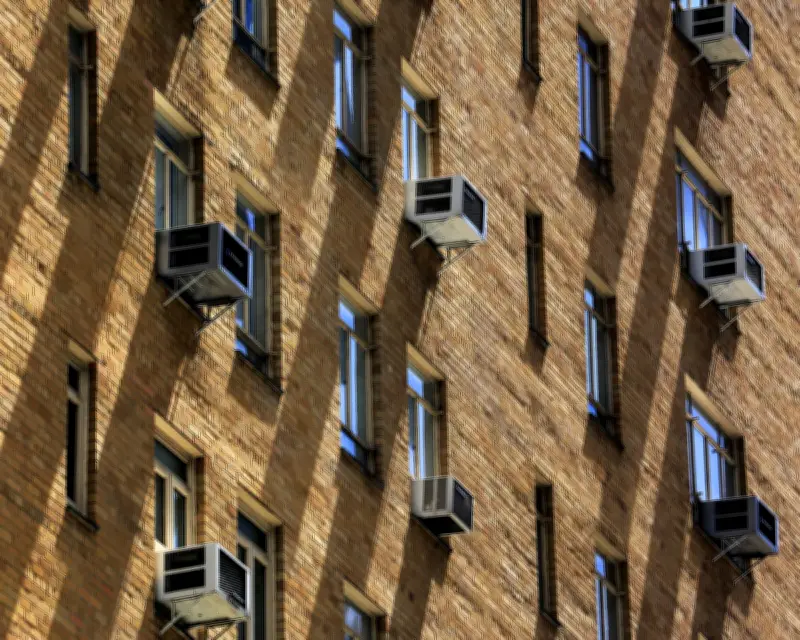
Selecting an Air Conditioner for Better Indoor Air Quality
When choosing an air conditioning unit, experts emphasize that not all systems are created equal when it comes to improving indoor air quality. According to Dr. Sarah Johnson, an environmental health specialist at the University of Sydney, the key factor is the type of filter used. High-efficiency particulate air (HEPA) filters can capture up to 99.97% of airborne particles, including dust, pollen, and mold spores.
Filter Types and Their Effectiveness
Standard air conditioners often come with basic fiberglass filters that only trap large particles. For cleaner air, look for units with HEPA or electrostatic filters. Dr. Johnson notes that while HEPA filters are highly effective, they require more powerful fans to push air through, which can increase energy consumption. Alternatively, electrostatic filters use static electricity to attract particles and are washable, reducing waste.
Proper Sizing Matters
Choosing the right size unit for your space is crucial. An oversized unit will cool the room quickly but may not run long enough to properly filter the air. Conversely, an undersized unit will struggle to maintain temperature and may run continuously, increasing wear and tear. HVAC technician Mark Thompson advises using the British thermal unit (BTU) rating as a guide: a 5,000 BTU unit can cool a 150-square-foot room, while a 12,000 BTU unit is suitable for up to 550 square feet.

Maintenance for Long-Term Air Quality
Regular maintenance is essential to keep the air clean. Filters should be checked monthly and replaced or cleaned every three months, or more often in dusty environments. The U.S. Department of Energy reports that dirty filters can reduce airflow by up to 15%, making the system work harder and circulating more pollutants. Additionally, professional servicing once a year can prevent mold growth in the condenser and evaporator coils.
Additional Features to Consider
Some modern units come with built-in air quality sensors that automatically adjust fan speed based on pollutant levels. Others include UV-C lights that kill bacteria and viruses. However, these features add to the cost. Dr. Johnson recommends prioritizing filter quality and proper sizing over bells and whistles, as they have the greatest impact on air quality.