Debunking Common Cancer Myths: Separating Fact from Fiction
In the world of health information, not everything you hear about cancer is accurate. Some myths are relatively harmless, while others can significantly hinder prevention efforts and cause unnecessary fear. We are here to separate the facts from the fiction, empowering you with reliable knowledge to make informed decisions about your health and well-being.
Myth 1: Microwave Ovens Cause Cancer
Microwave ovens have become a kitchen staple, but are they secretly dangerous? The answer is a resounding no. According to the Cancer Council, microwave ovens use non-ionizing radiation to make water molecules vibrate, which heats food without making it radioactive. This process is entirely safe, and your microwave meals pose no cancer risk, so you can continue to enjoy the convenience without worry.
Myth 2: Bowel Cancer Only Affects Older People
It is a common misconception that bowel cancer is solely an old person's disease. Bowel cancer, also known as colorectal cancer, can affect any part of the colon or rectum and is sometimes referred to as colon cancer or rectal cancer. However, Bowel Cancer Australia highlights that early-onset bowel cancer is on the rise, and you should never be told you are too young to have it. While the majority of newly diagnosed cases occur in people aged 50 and older, one in eight Australians diagnosed with bowel cancer are younger than 50, emphasizing the importance of awareness across all age groups.

Myth 3: Drinking from Plastic Bottles Causes Cancer
Reusing plastic water bottles is a common practice, but it will not give you cancer, even if left in a car or freezer. The Cancer Council states that the chemicals in plastic bottles are not linked to cancer. However, it is important to remember that bacteria can build up if bottles are not cleaned regularly. To maintain hygiene, wash them with hot, soapy water before refilling to prevent bacterial growth, ensuring your hydration habits remain safe and healthy.
Myth 4: Food Preservatives Cause Cancer
A widespread misconception is that all or some food additives are harmful and can cause cancer, but there is no evidence to support this claim, according to the Cancer Council. Food preservatives, or additives, are added to improve quality, preserve freshness, or enhance texture and taste. Their use is strictly regulated by Food Standards Australia and New Zealand, which conducts extensive testing to ensure they are safe for consumers. This means the food products available in Australia do not increase your cancer risk, allowing you to enjoy a varied diet with confidence.
Myth 5: Mobile Phones Cause Cancer
According to the Cancer Council, numerous studies have investigated the effects of mobile phones on health, including the relationship between mobile phone use and the risk of brain tumours. So far, research has found that mobile phone users are not at any greater risk of brain cancer than people who do not use mobile phones. However, it is important to note that the risk has only been assessed for short to medium-term use, defined as less than 10 years. Long-term mobile phone use has yet to be fully evaluated, and this assessment will require more time and ongoing research to provide definitive conclusions.
Myth 6: Breast Size Affects Cancer Risk
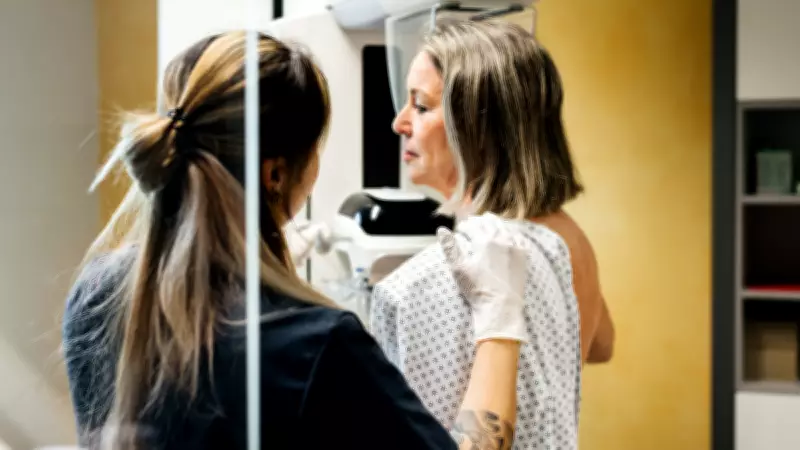
Research from the National Breast Cancer Foundation shows that one in five women wrongly believe breast size influences cancer risk. In reality, there is no connection between breast size and cancer risk, although it can sometimes be more challenging to examine larger breasts. On the other hand, factors such as obesity and breast density can increase the risk of breast cancer, along with family history and lifestyle influences. Women with larger breasts may experience more back pain, but this is not a risk factor for breast cancer. Regardless of breast size, the NBCF advises conducting regular self-exams, attending annual check-ups with healthcare providers, and receiving annual mammograms if you are age 40 or older to ensure early detection and prevention.

What Does Raise Your Risk of Cancer?
While microwaves, plastics, and preservatives are safe, roughly one-third of cancers in Australia are linked to known lifestyle risk factors. Most of these risks come down to a short list that includes tobacco smoking, UV radiation exposure, poor diet, being overweight, physical inactivity, and alcohol consumption. By focusing on these areas, you can take proactive steps to reduce your cancer risk and promote overall health and longevity.