Heart Transplant Gives Warilla Man 25 Extra Years of Life - A Medical Miracle
Heart Transplant Miracle: 25 Extra Years and Counting

The Operation That Granted Noel a 'Miracle' 25 Extra Years of Life - And Counting

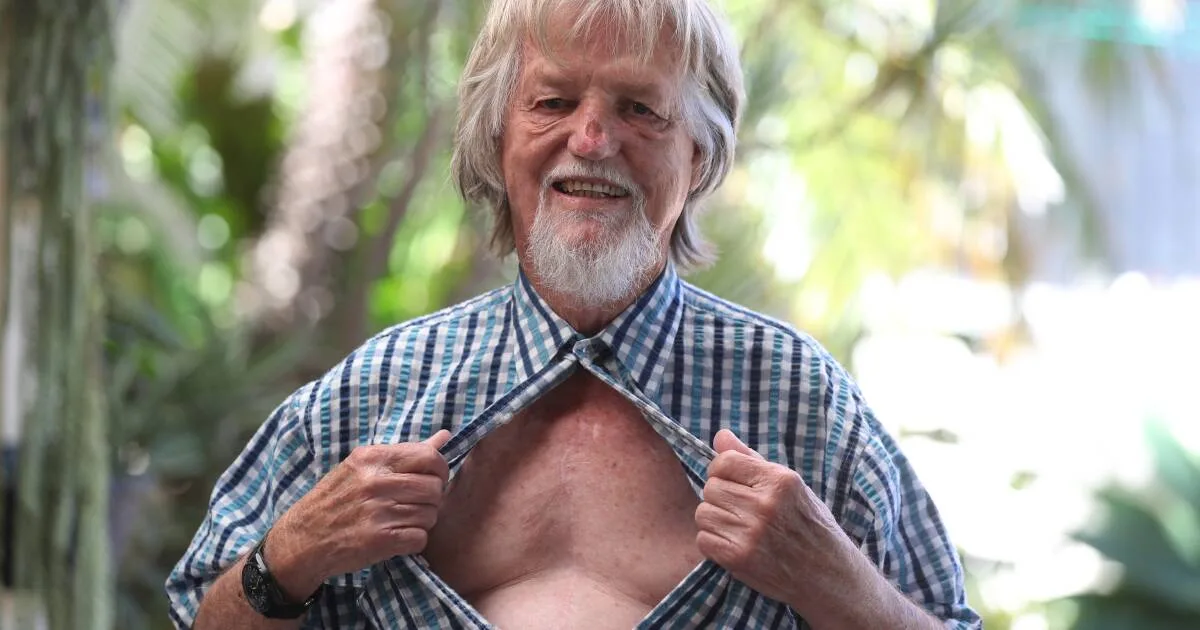
What Noel Eagleton initially believed was the worst flu of his life turned out to be a potentially fatal condition. The Warilla resident was actually experiencing a heart attack, the first in a series that would severely damage his heart and ultimately necessitate a transplant. That life-saving procedure has now afforded him an astonishing 25 additional years of life, with more to come.

A Sudden Health Crisis

The 76-year-old does not know precisely what triggered the first heart attack, though he suspects stress played a significant role. At the time, he was working long hours driving a cement truck, helping to construct jersey barriers on Mount Ousley Road. When he awoke one day twenty-five years ago feeling unwell, he attributed his symptoms to the flu and proceeded to work before visiting his doctor.

The doctor conducted a blood test and later that same day urgently called Mr Eagleton, instructing him to go directly to the hospital. When the second heart attack occurred, he immediately recognised the severity. "It was like an elephant standing on my chest," he recalled. He subsequently suffered a third heart attack, along with others he suspects may have occurred.

The Path to Transplantation

In late 2000, St Vincent's Hospital cardiologist, Professor Peter Macdonald, recommended that Mr Eagleton place his name on the transplant waiting list. When Mr Eagleton inquired about the timing, Professor Macdonald could not provide a definitive answer. "I said, 'Well, my daughter gets married in April.' He says, 'You won't be here in April'," Mr Eagleton remembered. "Stupid me said, 'Where will I be?' 'You'd be in heaven or hell, one of the two', that's what he said."

Less than a month later, the crucial call arrived. His brother and sister-in-law rushed him and his wife Mary to St Vincent's Hospital, where Mr Eagleton underwent the transplant surgery. "The last thing I remember that night was my wife crying as they're taking me down the hallway there," he said. He awoke the following morning, January 11, 2001, with a new heart.

A Life Transformed

Thanks to the transplant, Mr Eagleton was able to witness his daughter, Belinda Lee, marry and later welcome a granddaughter, Chloe. Tragically, Belinda passed away three years ago. He also saw his son Dale marry and celebrated the births of two grandsons, Cody and Braydan. Remarkably, Mr Eagleton has now lived long enough to meet his great-granddaughter, Gracie Mae. "It's a miracle, it really is," he expressed with profound gratitude.

Surviving Against the Odds

Professor Macdonald, who served as medical director of St Vincent's heart transplant program for a decade, explained that the average survival for transplant patients is 15 to 20 years, meaning half of patients are alive at this milestone. Approximately 90 percent of patients survive the first year post-transplant. "Once you get to that point, if you're alive and well with normal heart function, you're likely to be one of these long-term survivors with 15, 20 years plus," Professor Macdonald noted.

This represents a significant improvement from 1989, when Professor Macdonald joined the program and average survival was only 10 to 15 years. One major advancement involves the preservation of donor hearts. Instead of simply transporting them in an ice box, hearts are now placed on a machine that continuously supplies the organ with oxygen.

Each year, St Vincent's Hospital performs 50 to 60 heart transplants, operating the country's largest heart transplant program. Nationwide, up to 150 heart transplants are conducted annually.

How Heart Transplants Work

The waiting time for a heart transplant depends on several factors, including the patient's blood group, heart size, and overall health status, with the most critically ill patients typically prioritised. Professor Macdonald added that doctors also screen recipients for compatibility with the donor pool, as events like childbirth and blood transfusions can trigger antibodies that might attack the new heart.

Most blood types wait approximately three to six months for a transplant, though those with type O blood may wait six to twelve months. There is usually about 24 hours' notice for a potential donor, during which the matching process occurs.

Long-term side effects of the procedure include increased cancer risk due to anti-rejection drugs, and the potential development of an accelerated form of coronary artery disease. However, Professor Macdonald highlighted ongoing improvements in anti-rejection medications and a greater emphasis on "prehabilitation" - optimising patients' health before transplantation to enhance their chances of success.

The 'Most Amazing Gift'

Despite these advancements, Professor Macdonald acknowledged that heart transplantation remains a "very limited option" due to the scarcity of donor organs. Transplant Australia chief executive officer Chris Thomas emphasised that every individual can play a role in providing terminally ill Australians with a second chance at life.

People aged 16 and older can register to become organ donors at the official Donate Life website. Mr Thomas stressed that organ donation benefits not only recipients but also their families, who gain precious additional time with their loved ones during important gatherings. "Imagine if there was a solution that kept that family member at the table," Mr Thomas reflected.

However, nearly half of families decline permission to donate a loved one's organs, and in about 20 percent of those cases, the deceased was a registered donor. Mr Thomas urged registered donors to clearly communicate their wishes to family members. He also advocated for states and territories to simplify the registration process, potentially by incorporating it into driver's licence renewals as was previously done.

"I think transplantation is just the most amazing gift that Australians can leave as a legacy to others," Mr Thomas concluded, underscoring the profound impact of this altruistic act.