There is a special tension when period changes occur in your mid-forties. Every deviation from your usual pattern can feel like a sign of the menopause transition, also known as perimenopause. Many women spend years wondering: am I in perimenopause or not?
Unfortunately, early perimenopause is marked by uncertainty because the transition happens in fits and starts, not all at once. In contrast, menopause itself is just a moment—specifically, the moment 12 months after a person's last period. It is only diagnosed retrospectively, long after the ovaries stop producing estrogen, which drives the menstrual cycle.
Knowing whether you have started perimenopause can be very helpful. If symptoms are disrupting work or relationships, a diagnosis opens the door to treatment. Here is what you need to know.

What Does Perimenopause Look Like?
On average, perimenopause begins around age 47. A changing menstrual cycle usually signals its arrival. “The biggest change women will notice is they skip a cycle,” says Nanette Santoro, a professor of obstetrics and gynecology and menopause treatment researcher at the University of Colorado Anschutz School of Medicine.
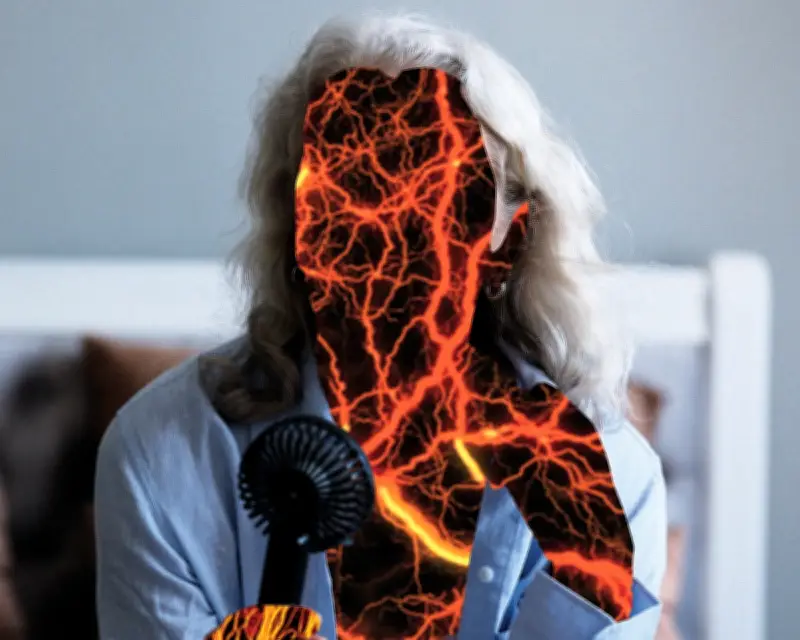
The first symptoms start an average of four years before the last period, but it varies by individual. Your periods may start changing months before menopause or up to a decade before. During early perimenopause, periods are less regular, often late or early by at least a week. Flow may be lighter or heavier, and about 40% of women experience hot flashes.
Later in perimenopause, periods become even less frequent, sometimes occurring two months apart. Hot flashes peak at this stage, affecting about 80% of women. Additional symptoms often appear, including depression, sleep disturbances, and genital or bladder issues like vaginal dryness, vulvar burning, or itching.
Declining estrogen levels cause these symptoms. In midlife, after decades of releasing estrogen on a regular schedule, the ovaries slow down. This leads to less estrogen in the body at unpredictable intervals. Less estrogen means lighter periods because estrogen helps grow the uterine lining that is shed during menstruation. Estrogen also regulates parts of the nervous system that control temperature and sleep, so lower levels cause hot flashes and sleep problems. It also maintains elasticity and blood flow in the genitals, so reduced levels lead to dryness, less lubrication, and decreased sensation.
If your periods have stopped due to removal or medical alteration of the uterus, chemotherapy, or use of a hormonal IUD, these changes will not be noticeable. In such cases, a blood test can be useful, as explained below.
How Do I Know If I Am in Perimenopause?
If your symptoms are typical and you are over 45, that is usually enough for a clinician to diagnose perimenopause. “If you are 49 and you are telling me you have hot flashes or certain changes, I do not need a blood test to tell you this is perimenopause,” Santoro says.
Estrogen tests exist, but abnormal results are not very informative, says Lauren Streicher, a professor of obstetrics and gynecology and menopause researcher at Northwestern University’s Feinberg School of Medicine. The tests are accurate, but estrogen levels fluctuate wildly during perimenopause. A normal level might just catch an upswing or the start of a crash, and a low level can also be normal at various times in life.
Blood tests can be helpful if your symptoms are not typical or if they occur earlier than expected. Thyroid problems and diabetes can also begin in midlife and cause cycle irregularity, hot flashes, and mood swings, so it is worth identifying the true cause. For confusing scenarios—for example, if you have an IUD and ambiguous symptoms—a blood test for anti-Mullerian hormone (which indicates how many eggs you have left) can help determine if you are near menopause, but it is not useful for every age group or situation.
Several companies sell direct-to-consumer test kits for home hormone level checks, but both Streicher and Santoro say these are not good enough predictors of menopause to be particularly useful.

I Think I Am in Perimenopause—Do I Need to Do Anything?
If you have any core menopause symptoms, see a menopause specialist about treatment. Hormonal and non-hormonal therapies are available for managing most symptoms, but they are underprescribed. An OB-GYN with menopause expertise or a primary care clinician trained in treating menopause symptoms can help determine the best approach for you.
While not directly related to menopause, lifestyle basics become especially important in midlife. Santoro recommends getting good sleep, quitting smoking, exercising regularly, and eating healthy, high-fiber foods. Additionally, get regular check-ups for common midlife conditions like high cholesterol, high blood pressure, and diabetes. “If you have hypertension in your family and inherited those genes, they are coming after you at this time of life,” Santoro says.