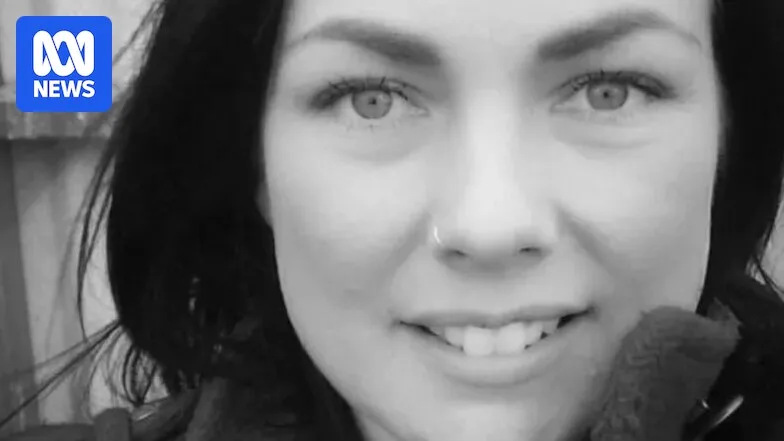
Andrew Chesterman, a prominent disability advocate, has warned that proposed cuts to the National Disability Insurance Scheme (NDIS) risk isolating many Australians with disability. In a statement released on Wednesday, Chesterman argued that the cuts would undermine the core purpose of the NDIS, which is to support people with disability to participate fully in the community.
Impact on Community Participation
The proposed changes could reduce funding for essential supports, including therapies, personal care, and community access services. Chesterman emphasized that these supports are crucial for enabling people with disability to engage in work, education, and social activities. Without them, many individuals may become housebound and isolated.
Concerns from Advocacy Groups
Advocacy groups have echoed Chesterman's concerns. They argue that the cuts would disproportionately affect those with the most complex needs, including people with intellectual disability and those requiring 24/7 support. The groups are calling for a more sustainable funding model that does not compromise the rights and wellbeing of participants.

- Reduced access to therapy and support services
- Increased social isolation and mental health issues
- Greater burden on families and carers
Government Response
A spokesperson for the Minister for the NDIS stated that the government is committed to ensuring the scheme's long-term sustainability. They noted that the proposed changes are part of a broader review to eliminate waste and improve outcomes. However, critics argue that the government has not adequately consulted with the disability community.
Call for Action
Chesterman is urging the government to reconsider the cuts and to engage in meaningful dialogue with people with disability. He stressed that any changes must be based on evidence and must uphold the principles of the NDIS Act. The disability community is planning a series of protests and meetings with MPs to voice their opposition.
As the debate continues, many are watching closely to see how the government balances fiscal responsibility with the needs of some of Australia's most vulnerable citizens.