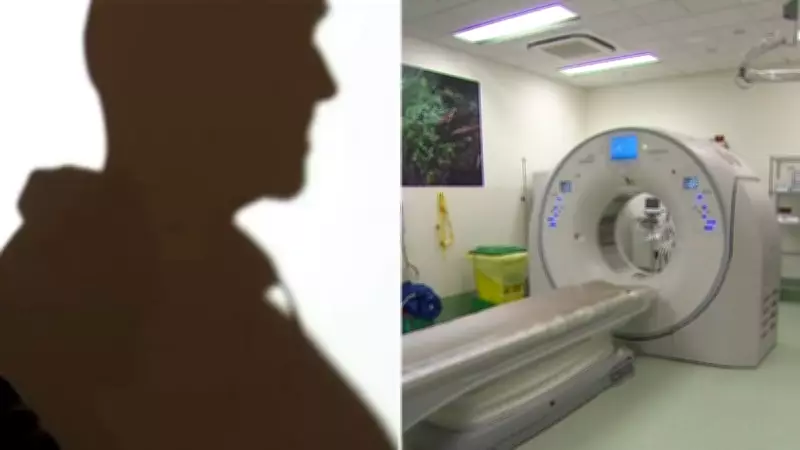
Australian Radiology Faces Intense Scrutiny Over Offshore Scan Reporting Practices
The radiology industry in Australia is confronting renewed and serious scrutiny following revelations that hospital and clinic scans are being sent overseas for diagnostic interpretation. This practice has come under the spotlight after a distressing case where a man's cancer diagnosis was missed due to this offshore reporting process. The patient, who has chosen to remain anonymous, shared his harrowing experience, stating that his kidney cancer went undetected for months after a scan was sent interstate for analysis.
Patient's Ordeal Highlights Critical Failures in Diagnostic Chain
"It took about four or five months for me to find out that I actually had a kidney cancer that nobody knew about," the patient revealed. The scan in question was originally performed in Adelaide before being dispatched to a doctor in New South Wales for reporting. Documents reviewed by investigative sources indicate that the initial report failed to mention a renal lesion. However, a subsequent review by another doctor two months later confirmed that the lesion was indeed present on the earlier images.
By the time this critical oversight was discovered, the patient's treatment pathway had already been altered, leading to inappropriate medical interventions. "For me there was a missed cancer diagnosis that led my treating team down a different pathway that meant I got treatments that weren't indicated for that type of treatment," he explained. The emotional toll was severe, with the patient admitting to fearing the worst during this period. "There was a time there where I thought I wasn't going to be eligible for this life-saving treatment and I was shopping around for funeral plans," he said, adding that he had to rewrite his will and prepare for dire outcomes.

Broader Industry Concerns Extend Beyond Reporting to Equipment Operation
This patient has now joined a growing chorus of voices within the medical community expressing deep concerns about the increasing reliance on interstate and overseas reporting for medical imaging. "I don't think in today's Australia's health system that we should be sending this sort of work offshore," he asserted, highlighting the potential risks to patient care.
However, the issues extend beyond who reads the scans. The Australian Society of Medical Imaging and Radiation Therapy (ASMIRT) has raised alarms about cases where MRI scanners may be operated by individuals who are not registered medical radiation practitioners. ASMIRT President Naomi Gibson emphasized that this practice poses an unacceptable risk and undermines the safety standards expected within the Australian healthcare system.
"There is a number of practices that we know of in a couple of states where people who aren't trained radiographers or medical radiation practitioners that are registered are actually operating this equipment," Gibson stated. She stressed that MRI technology is highly complex and requires specialist training, as even minor errors can compromise image accuracy and, consequently, patient diagnoses. "It's not just knowing which buttons to press, it's actually knowing the consequences of what you're doing," she added, underscoring that patient safety must remain the paramount priority in all medical imaging procedures.
Workforce Shortages and Legal Ramifications Compound the Crisis
Doctors across the system point to significant workforce shortages as a key factor increasing pressure on imaging services, potentially exacerbating these safety concerns. The patient involved in the missed diagnosis case noted that while perfection cannot be demanded, mistakes in scans carry severe real-world consequences. "We all know people aren't perfect and no one demands perfection, but when these mistakes are made they have real consequences," he said, reflecting on the broader implications for healthcare reliability.

This case has now escalated to legal action, highlighting the serious nature of the allegations and the potential for systemic reforms in the radiology sector. As the industry grapples with these challenges, the focus remains on ensuring robust safety protocols, adequate training, and transparent practices to protect patient well-being in an increasingly globalized medical landscape.