In a remarkable medical achievement, a patient in Perth has survived for two full days without natural lungs, sustained by an advanced artificial system, before receiving a life-saving transplant. This case highlights significant progress in critical care and organ replacement technologies.
Innovative Life Support in Perth Hospital
The patient, whose identity remains confidential, was admitted to a Perth hospital with severe lung failure. Traditional ventilation methods were insufficient, prompting medical teams to deploy a cutting-edge artificial lung system. This device, designed to oxygenate blood externally, kept the patient stable and alive during the critical two-day period while awaiting a suitable donor organ.
Details of the Artificial System
The artificial system used in this case is a form of extracorporeal membrane oxygenation (ECMO), but with specialized modifications for long-term lung support. It works by removing blood from the body, adding oxygen, removing carbon dioxide, and then returning the blood to the circulatory system. This process effectively bypasses the need for functional lungs, allowing the body to maintain vital functions.

Medical experts involved noted that this system is not commonly used for such extended periods without lungs, making this case a pioneering example in Australian healthcare. The success depended on precise monitoring and adjustments by a multidisciplinary team of surgeons, intensivists, and nurses.
Path to the Life-Saving Transplant
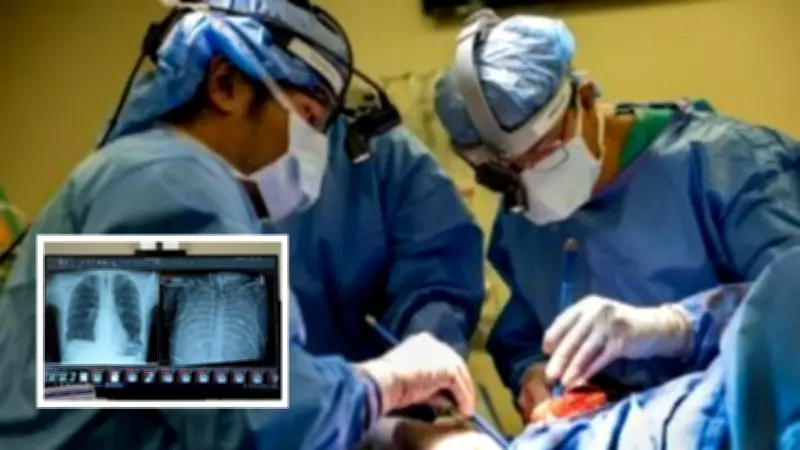
After two days on the artificial system, a compatible donor lung became available, enabling a timely transplant surgery. The procedure was performed by skilled transplant surgeons in Perth, who reported that the patient's condition had been optimally maintained by the artificial support, increasing the chances of a successful outcome.
Post-transplant, the patient is recovering under close medical supervision. Early indicators suggest a positive prognosis, with the new lung functioning well. This case sets a precedent for future treatments in organ failure scenarios, particularly where donor organs are not immediately accessible.
Implications for Medical Practice and Research
This breakthrough has broader implications for the field of transplant medicine and critical care. It demonstrates the potential of artificial systems to bridge gaps in organ availability, potentially saving more lives in emergency situations. Researchers in Perth and beyond are now exploring ways to refine such technologies for wider use, including in rural and remote areas of Australia.
Moreover, this case underscores the importance of ongoing investment in medical innovation and training. As artificial organ support systems become more advanced, they could reduce reliance on donor organs and improve survival rates for patients with severe respiratory conditions.
In summary, the successful use of an artificial system to keep a lungless patient alive for two days in Perth represents a significant milestone in healthcare. It offers hope for those awaiting transplants and paves the way for future advancements in life-saving medical technologies.