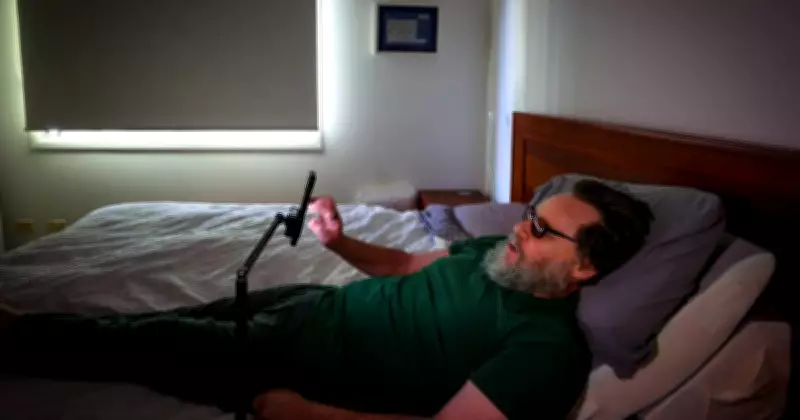
A Thirroul man is living with a severe form of myalgic encephalomyelitis/chronic fatigue syndrome (ME/CFS), a debilitating condition that affects millions worldwide but remains poorly understood. The man, who wishes to remain anonymous, has been bedridden for years, experiencing extreme fatigue, cognitive dysfunction, and pain that severely limits his daily activities.
What is ME/CFS?
ME/CFS is a complex, chronic illness characterized by profound fatigue that does not improve with rest and worsens with physical or mental activity. Other symptoms include unrefreshing sleep, orthostatic intolerance, and cognitive impairment often referred to as brain fog. The condition can range from mild to severe, with severe cases leaving individuals housebound or bedridden.
The Thirroul man's experience
The Thirroul man, once an active professional, describes his life before ME/CFS as full of energy and purpose. Now, even simple tasks like sitting up or holding a conversation can trigger a crash that leaves him incapacitated for days. He relies on his family for basic care and uses a wheelchair for the rare occasions he leaves his home.

He emphasizes the lack of awareness and understanding among the public and even some medical professionals. Many people dismiss ME/CFS as a psychological condition or mere tiredness, but the man stresses it is a serious physiological illness. He hopes that sharing his story will encourage more research and compassion.
Challenges faced by patients
Patients with ME/CFS often encounter significant barriers to diagnosis and treatment. There are no approved diagnostic tests or treatments, and many doctors are unfamiliar with the condition. This leads to long delays in diagnosis and inadequate care. Additionally, stigma and disbelief from family, friends, and employers can exacerbate the suffering.
Need for more research
Advocates argue that ME/CFS is severely underfunded compared to other chronic illnesses. More research is needed to understand its causes, develop effective treatments, and ultimately find a cure. The Thirroul man's story is a stark reminder of the urgent need for action.
How to help
Raising awareness is a key step. Sharing stories like this one can help educate the public and reduce stigma. Supporting organizations that fund ME/CFS research and advocating for better healthcare policies are also crucial. The man encourages people to listen to patients and believe their experiences.
Despite his severe condition, the Thirroul man remains hopeful that one day there will be better treatments and a cure. Until then, he continues to fight each day, relying on the support of his loved ones and the strength of his spirit.