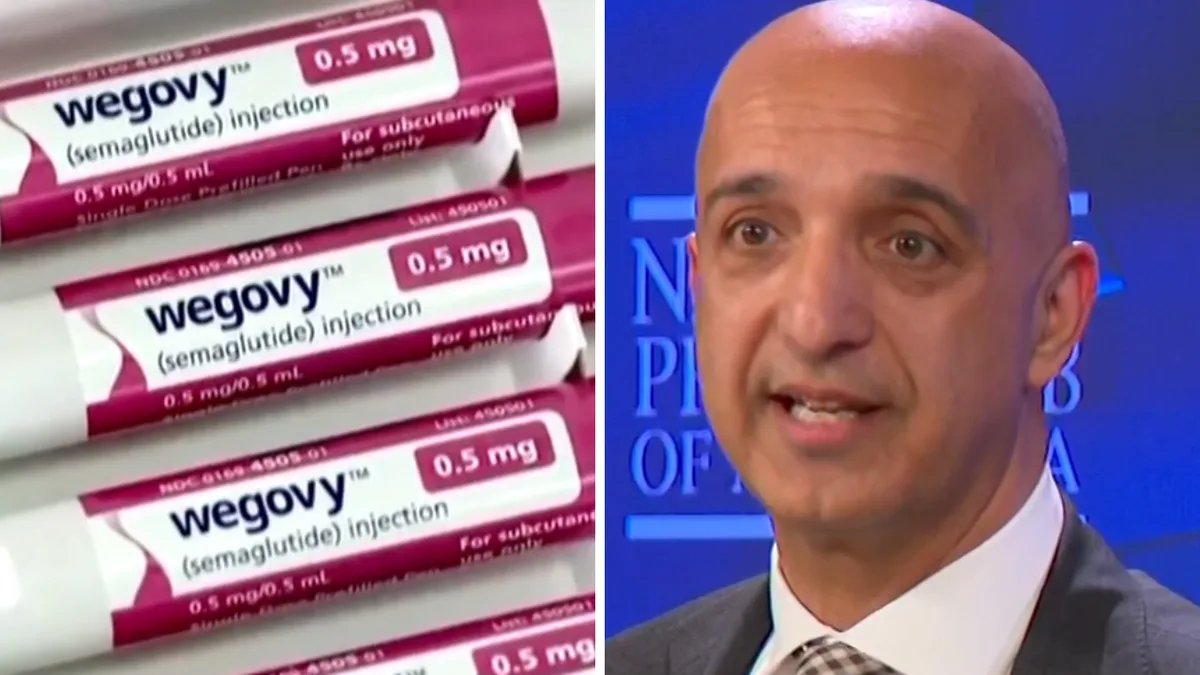
Australian children battling obesity could soon be prescribed weight loss drugs like Wegovy, according to a proposal from pharmaceutical company Novo Nordisk. The company's CEO, Mike Doustdar, argues that early intervention could save lives as obesity rates soar.
A new three-year partnership between Novo Nordisk and the Murdoch Children’s Research Institute (MCRI) will explore how Wegovy could help children living with obesity in the Pacific region. MCRI CEO Pete Azzopardi warned that by 2050, 50 to 75 per cent of young people in the Pacific are projected to be overweight or obese.
Doustdar highlighted alarming predictions for Australia, stating that a child born in Queensland today may have a lifespan four to five years shorter than their parents due to obesity. He urged the government to foster healthier lifestyles and suggested that some Australian children could benefit from weight loss drugs.

Originally developed as diabetes medication, GLP-1 drugs like Wegovy are transforming healthcare. However, experts note challenges in ensuring equal access as they remain expensive. Doustdar revealed that price cuts are under consideration and that workplaces could help cover costs, while also pushing for subsidies through the Pharmaceutical Benefits Scheme.
Concerns about side effects and long-term use persist, but Doustdar defended the medication's track record, noting that clinical trials began 15 to 10 years before its introduction in 2008.