Ending the Lunch Box Battle: Smart Strategies to Reduce Food Waste
Australian parents face a common frustration: children discarding up to 30 per cent of their daily food intake at school. This widespread issue of lunch box waste not only impacts household budgets but also means missed nutritional opportunities during crucial learning hours. However, with some clever planning and creative thinking, families can transform this daily chore into an enjoyable, waste-free experience that fuels young minds effectively.
Rethinking the Traditional Approach
Gone are the days when a simple sandwich and piece of fruit constituted an adequate school lunch. While convenient, this repetitive approach often leads to boredom and discarded meals. The National Nutrition Foundation emphasises that children consume approximately 30 per cent of their daily nutritional requirements during school hours, highlighting the importance of balanced lunch boxes containing all five core food groups: grains, vegetables and legumes, meat and nuts, fruit, and dairy.
Time-Saving Meal Preparation Hacks
One of the most effective strategies involves leveraging dinner preparations for next-day lunches. By cooking slightly larger portions or saving leftovers, parents can create exciting lunch box variations with minimal extra effort. Consider these practical transformations:

- Taco mince becomes a delicious wrap filling
- Extra pasta, noodles or quinoa transforms into a refreshing salad
- Leftover vegetables incorporate into slices or frittatas
- Grilled chicken or roast beef replaces processed meats in sandwiches and rolls
For protein alternatives, canned tuna, tofu and mashed chickpeas make excellent sandwich fillers. Swap traditional mayonnaise for reduced-fat options, or better yet, use avocado, hummus or cottage cheese as healthier spreads. Adding fresh elements like lettuce, tomato, grated carrot, cucumber and spinach creates a nutritionally complete meal in roughly the same time previously spent assembling basic sandwiches.
Engaging Children in the Process
Involving children in lunch preparation significantly increases the likelihood they'll actually eat their meals. While adults handle slicing and more complex tasks, children can participate by mixing muffin batter, tossing salads, or arranging prepared snacks in their lunch boxes. This collaborative approach not only saves time but also builds positive associations with healthy eating.
Creative Presentation and Variety
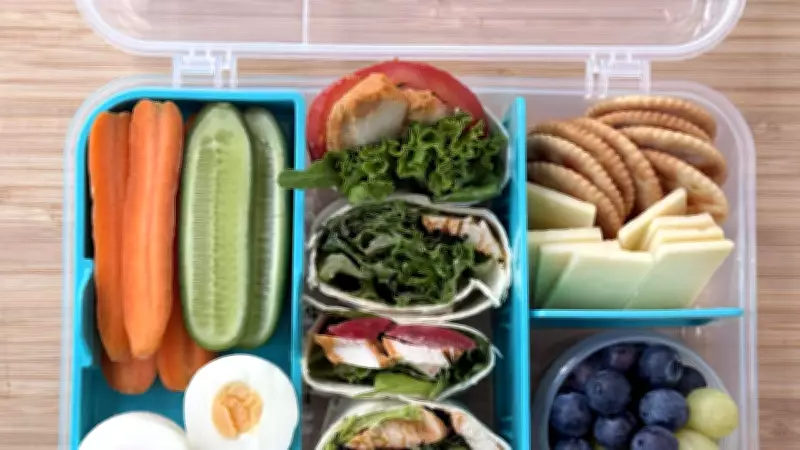
Presentation matters significantly to young appetites. Wraps often maintain their texture better than sandwiches, remaining appealing until lunchtime. Standing wraps vertically in lunch boxes creates colourful swirls that children find engaging. Rotating between bread, rolls and wraps throughout the week maintains interest and anticipation.
Minimising Waste Through Repurposing
For parents whose children still return with uneaten items, creative repurposing prevents nutritional loss and reduces waste. Leftover fruit and vegetables can immediately become smoothie ingredients or after-school snacks when paired with hummus, cheese or tzatziki straight from the refrigerator.
Supermarket Trends and Resources
Coles has noted increased demand for fresh produce as families prepare for school returns. "Parents are seeking convenient, nutritious options that children will actually consume," a Coles spokesperson explains. "Popular choices include apples, bananas, and snackable vegetables like mini cucumbers, carrots and cherry tomatoes." The retailer offers recipe inspiration through their February magazine and website resources like the Mix and Munch guide to simplify lunch box preparation.
Helpful Food Category Strategies
Vegetable Innovations
Move beyond fruit as the only colourful finger food. Chopped carrots, cucumber sticks, snow peas, baby cucumbers and cherry tomatoes provide easy-to-eat vegetable options that add visual appeal and nutritional value to lunch boxes.

Fruit Selection Tips
Small, round fruits like blueberries and grapes make ideal lunch box fillers that children can easily manage. When shopping, look for smaller-sized fruit varieties that appear less overwhelming, particularly for younger children.
Protein Beyond Meat
Eggs, nuts and dairy products provide excellent protein alternatives. Hard-boiled eggs prepared weekly offer convenient protein sources, while cheese cubes or spreads like ricotta and cottage cheese incorporate dairy effortlessly.
Grain Variety
Beyond traditional breads and wraps, consider crackers as bite-sized grain options that pair well with cheese or hummus. Rice and pasta also offer non-traditional grain alternatives for lunch box variety.
Popular Australian Lunch Box Ideas
Contemporary Australian lunch boxes focus on easy, healthy options with clever vegetable incorporation. Popular choices include:
- Savoury slices and muffins with hidden zucchini or pumpkin
- Wraps featuring leftovers like taco mince or roast chicken
- Frittatas and mini quiches for protein-packed meals
- Fruit and vegetable sticks with hummus or cheese dips
- Fun additions like Vegemite scrolls, bliss balls and homemade patties
- Bento-style boxes with cheese cubes, crackers and colourful fruit arrangements
Essential Success Tips
- Utilise leftovers creatively for wraps, pasta salads or fritters
- Hide vegetables strategically by grating zucchini, carrot or pumpkin into baked goods
- Maintain food safety with insulated bags and ice bricks for perishable items
- Respect school policies regarding nut-free environments with appropriate alternatives
- Prioritise variety through different textures, colours and food groups
By implementing these practical strategies, Australian parents can create nutritious, appealing school lunches that children genuinely enjoy while significantly reducing food waste and ensuring optimal nutrition during important school days.