Uninsured Traveller's Bali Hospital Bill Shock: A Cautionary Tale
A recent personal account from Bali serves as a stark warning for tourists about the financial dangers of being uninsured while travelling. The story details how an Australian faced crippling medical bills after a health scare, echoing similar incidents involving other foreigners on the island.
Sky-High Costs at Renowned Hospitals
Last year, a Russian expat, Andrei Borodin, incurred a $128,000 bill for a month in the emergency room at BIMC Nusa Dua, a private hospital accredited by the Australian Council on Healthcare Standards International. Despite its high-quality care, patients often describe it as ridiculously expensive. Similarly, an Australian mate suffered a hit-and-run accident in Bali and was treated at Siloam Hospital in Kuta, known for its modern facilities and professional staff. He required surgery for a ruptured spleen, accumulating a $26,000 bill, which his insurance refused to cover due to riding without a proper licence.
A Personal Nightmare with Insurance Loopholes
The author recently experienced a serious medical issue in Bali, unrelated to an activity deemed an extreme sport by their insurer. For failing to declare this high-risk activity, their insurance policy was declared null and void. This left them facing specialised treatment without coverage, prompting a search for affordable options. Quotes from Siloam and BIMC were prohibitively high, making a return flight to Australia for Medicare-covered treatment a cheaper alternative.

Discovering a More Affordable Alternative
In their search, the author considered the new Bali International Hospital in Sanur, which partners with Australia's Icon Cancer Centre, but found its costs still high. They then discovered Kasih Ibu, a group of four mid-size private hospitals in Denpasar, established in 1987. Despite mixed reviews noting high costs for foreigners, Kasih Ibu offered a significantly lower quote. A specialist consultation cost $45, compared to $200-$400-plus in Australia before rebates.
VIP Treatment in a Dated Setting
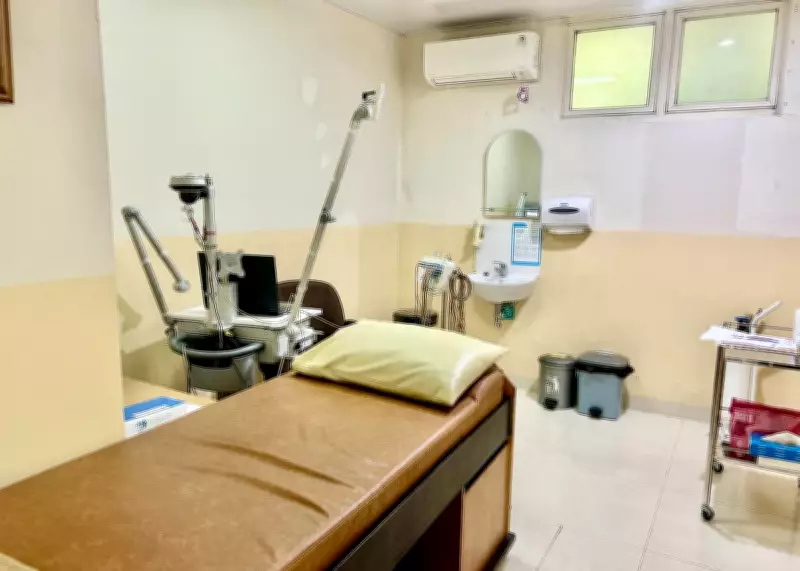
Accessing Kasih Ibu involved a 90-minute taxi ride, but upon arrival, the author received VIP treatment from the doorman onwards. The hospital, described as resembling a big old building in an Australian country town, has an interior stuck in the 1980s, complete with a convenience store and restaurant in the lobby. Patients were predominantly Balinese middle-class, with few Westerners. Over three days, the author underwent multiple tests and consultations with a young, positive specialist who diagnosed a serious, incurable disease but assured manageable treatment with modern medicine and lifestyle changes.
The Final Bill and a Vital Disclaimer
The total bill came to just over $1000, far less than other private hospitals in Bali would have charged. The author emphasises that this is not medical advice but a true personal experience shared under a pseudonym. They note that hundreds of Australian tourists face similar situations annually in Bali, often uninsured and overcharged. While Kasih Ibu may not suit every medical need, the story underscores that for non-emergencies, shopping around for healthcare in Bali can save significant costs and prevent financial ruin.