Chiang Mai serves as the cultural, spiritual, and economic hub of Northern Thailand. Founded in 1296 as the capital of the independent Lanna Kingdom, the city's roots run deep in northern Thai heritage. The ancient city walls, enclosing a square mile around the centre, were constructed according to spiritual beliefs and military techniques. Today, hundreds of temples and the visible presence of Buddhist monks maintain a strong sense of spiritualism.
The mindful practice of Buddhism contributes to the city's laid-back atmosphere. Younger generations are blending tradition with modernity through vintage stores, hip cafes, and environmentalism. Chiang Mai feels worlds apart from bustling Bangkok or Thailand's tourist-heavy coastal areas. Travelers can reach Chiang Mai via a one-hour flight or a day-long road trip from Bangkok. Renting a car or scooter offers flexibility for exploring the mountainous activities nearby.
Doi Inthanon National Park
Doi Inthanon, Thailand's highest peak at 2,565 metres above sea level, lies about 90 minutes south-west of Chiang Mai. Part of the Himalayan ranges, it is nicknamed the "Roof of Thailand." The mountain attracts Buddhist pilgrims, nature lovers, and adventure seekers. The drive into the national park features waterfall lookouts, markets, and coffee farms. At the summit, a lookout and short nature trail offer photo opportunities. A temperature display often shows single digits, reminding visitors to bring warm clothing.

Kew Mae Pan Trail
The Kew Mae Pan Trail winds through the forested mountainside of Doi Inthanon. Local hill tribes, including the Hmong, maintain the trails. A small fee covers guide services and park maintenance. Guides range from young adults to elderly individuals and are paired with hikers based on ability. Most speak limited English but share their knowledge of native flora and fauna. Our guide, Mei, balanced serenity with engaging curiosity. She picked wild blueberries snap-frozen from sub-zero temperatures and found sour berries from an unfamiliar tree, joking about poisoning us. Towards the end, we spotted a shrieking, iridescent beetle, which Mei identified as an endemic species. The hike took 90 minutes, though the trailhead suggests 2.5 to 3 hours. Doi Inthanon is considered sacred, and parts of the mountain close annually from June to November for environmental recovery.
Twin Chedis
Across from the Kew Mae Pan trailhead, trucks transport visitors to the Royal Pagoda precinct. The Twin Chedis were built in 1987 and 1992 to honour the 60th birthdays of King Rama IX and Queen Sirikit. Sitting at Thailand's highest point, the pagodas are framed by manicured gardens and glitter against the sky. Stories of Buddha's birth, life, and enlightenment are told inside, offering a quiet, thoughtful atmosphere.
Food Experiences
Chiang Mai's food scene is a melting pot of flavours from neighbouring Myanmar and Laos, Lanna heritage, Chinese-Muslim influences, and expatriate communities. Highlights include:
- Best authentic Northern Thai: Baan Landai, a homely restaurant run by a couple. The khao soi and pork ribs are highly recommended.
- Best market: Memories of Chiang Mai night market, popular among young locals, with stalls offering Cantonese, Indian, Korean, Japanese, Thai, and Chinese food. The whole Hong Kong-style fish is a must-try.
- Best international: Sanjan Indonesian Cafe, known for beef rendang, satay, and dumpling soup.
- Best rooftop: Barglory Rooftop Bar, offering unobstructed sunset views over the mountains. The whole river prawns, pork with jaew dip, and tom yum were culinary highlights.
- Best mango sticky rice: Khrua Montip Thai Food, serving fresh, homemade dessert with a tangy coconut cream sauce.
Sticky Waterfalls
An hour north of Chiang Mai, Buatong National Park features the famous Sticky Waterfalls. The drive through valleys, farms, and villages resembles Perth's Swan Valley. The limestone formation "tufa" is created by calcium carbonate deposits, providing grip to walk barefoot up the falls. Wooden stairs descend to a pool, and the climb offers gorgeous views and shallow pools to rest in.

Coffee Culture
Chiang Mai's high altitude and cool climate produce world-class coffee beans. The Thai government's tariffs on international imports encourage local production. Farm-to-table coffee combines traditional techniques with Australian, Japanese, and South Korean cafe culture. Visitors can pick specific beans or roast depth. Top independent cafes include Seven Slash Two and Graph Coffee Co. Minimal Coffee, a local chain, offers excellent espresso orange with dark roast at the Chotana branch, perfect for a stop en route to the Sticky Waterfalls.
Whitewater Rafting
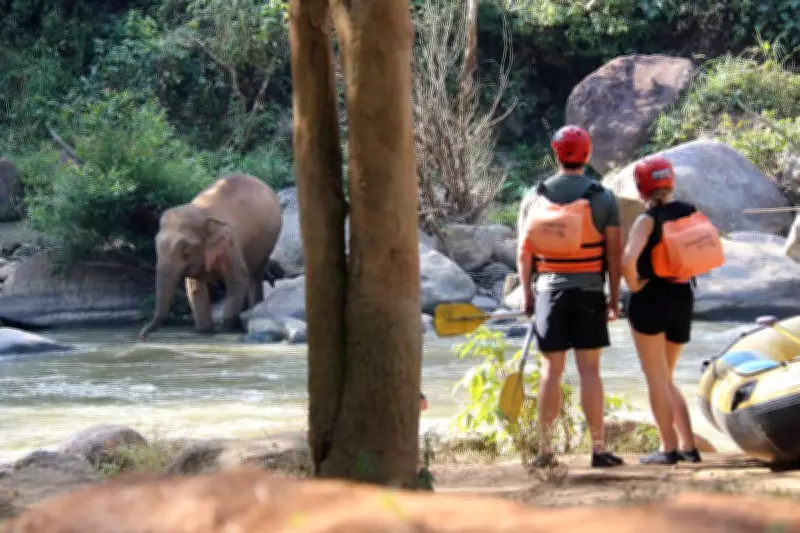
Khampan Rafting on the Mae Tang River offers an adventurous experience. After being picked up from accommodation, we watched an elephant cross the river before starting the rafting course. The journey included rapids, ledges, and quiet sections. Afterwards, we enjoyed fresh fruits and pad thai, then visited a hidden waterfall with a natural waterslide. Our guide climbed jackfruit and banana trees for fresh fruit. The waterfall's pool was deep but safe, and we warmed up by a fire.
Baan Kang Wat
Baan Kang Wat is an artists' village 15 minutes from Chiang Mai. It features a market of artists and craftspeople selling one-of-a-kind art. Workshops include glasswork, pottery, woodwork, journal decorating, and painting. We personalised a leather-bound journal at Note A Book, embossing covers, stamping pages, and adding trinkets. Overflow parking is available. Taxis or rideshares may be difficult to arrange from this location.
Wat Lok Moli
Wat Lok Moli, near our accommodation, offered a memorable temple experience. In the evening, colourful lanterns created a floating canopy. A junior monk sold lanterns for donations. I bought a blue lantern for Friday birthdays, wrote my name, age, date, and wish, and hung it among others. Seeing everyone's wishes from different cultures and languages was emotional.
Editor's Note
November to March is peak fire season, with farmers burning fields and wildfires breaking out. Air quality can exceed AQI 150, with some days reaching 200 or 300. The Air Quality Index (AQI) measures six key pollutants on a scale of 0–500. Sensitive individuals should take precautions.