Global Bathing Traditions: From Saunas to Onsens and Their Cultural Significance
World Bathing Traditions: Saunas, Onsens, and Cultural Rituals

Across millennia, continents, and diverse cultures, communal bathing has formed a core pillar of daily life, weaving together social, spiritual, and wellness practices. While modern times have elevated these rituals to luxurious heights, ancient civilisations sought water and heat in more humble settings long before terms like wellness and self-care entered the vernacular.

Ancient Origins and Universal Themes

The earliest known organised baths emerged in Mesopotamia and the Indus Valley around 3300 BCE, serving both cleansing and social purposes. Traditions in Egypt, Greece, Rome, Persia, and India followed suit, incorporating hot and cold plunges, steam rooms, and herbal remedies. Societies across Europe, Asia, and the Americas developed their own methods of sweating it out, each with unique nuances yet sharing universal themes.

Bathhouses historically served as gathering grounds for community, bridging the physical and spiritual realms. They provided recovery and refuge, with mineral waters revered for their healing properties. Many of these rituals have stood the test of time, offering travellers a unique way to gain a sense of place by dipping into deep-rooted lineages.

Notable Bathing Traditions Around the World

Finland: Sauna

Often considered the birthplace of the sauna, Finland boasts more saunas than cars, with approximately one for every two people. The traditional design features a heated cabin lined with aromatic wood, where bursts of steam are created by pouring water on hot stones. Many communal saunas enhance the experience with contrast therapy, such as Loyly Sauna in Helsinki, where guests can shock their systems with an icy plunge into the Baltic Sea after basking in the heat.

Estonia: Smoke Sauna

The Estonian suitsusaun lacks a chimney, slowly filling with aromatic smoke as wood burns on a central stone stove. A bundle of birch branches, known as a viht or sauna whisk, is used for gentle rhythmic massage to stimulate circulation and clear airways. Full nudity is the norm during single-gender sessions, fostering a slow, intimate, and contemplative vibe.

Russia: Banya

Russian banyas are characterised by more heat, humidity, and vigour, with intense leaf whisking using a venik to invigorate the nervous system. As a social hub, people often stay for hours at multi-room facilities like Sanduny Baths in Moscow, enjoying tea and snacks alongside the bathing experience.

Turkey: Hammam

The ornate marble bathhouses of Turkey are relics of Ottoman culture, blending Roman and Islamic influences. The ritual involves acclimatising in a warm entrance chamber before moving to a domed room with a heated marble platform. A masseuse scrubs with a kese mitt for exfoliation, followed by a foam massage and rinse. Historic sites like Hurrem Sultan Hammam in Istanbul showcase incredible architecture alongside the ritual.

Hungary: Furdo

Budapest, known as the city of spas, features over 120 hot springs rich in minerals like calcium and magnesium. Grand bathhouses, or furdo, blend Roman and Ottoman influences, offering restorative and convivial experiences. Szechenyi Thermal Bath, with its huge outdoor pool, is a must-visit, where visitors can try a beer spa or watch locals play chess in the water.

Japan: Onsen and Sento

Japan offers two main bathing traditions: onsens, which are mineral-rich hot springs from natural sources, and sentos, community bathhouses with heated tap water. Etiquette is crucial, including showering before entry and tying up hair. Many onsens still prohibit tattoos, so travellers should check in advance. The therapeutic benefits attract both humans and wildlife, such as snow monkeys soaking in Nagano.

South Korea: Jjimjilbang

Korean jjimjilbangs combine spa facilities with sleeping areas, snack bars, and karaoke lounges. These heated room complexes are often open 24 hours, allowing stays for days to enjoy kiln saunas, warmed baths, and themed wings. Services include professional scrubs and pedicures, with relaxation enhanced by sipping fermented rice drinks and lounging in provided pyjamas.

Iceland: Geothermal Pools

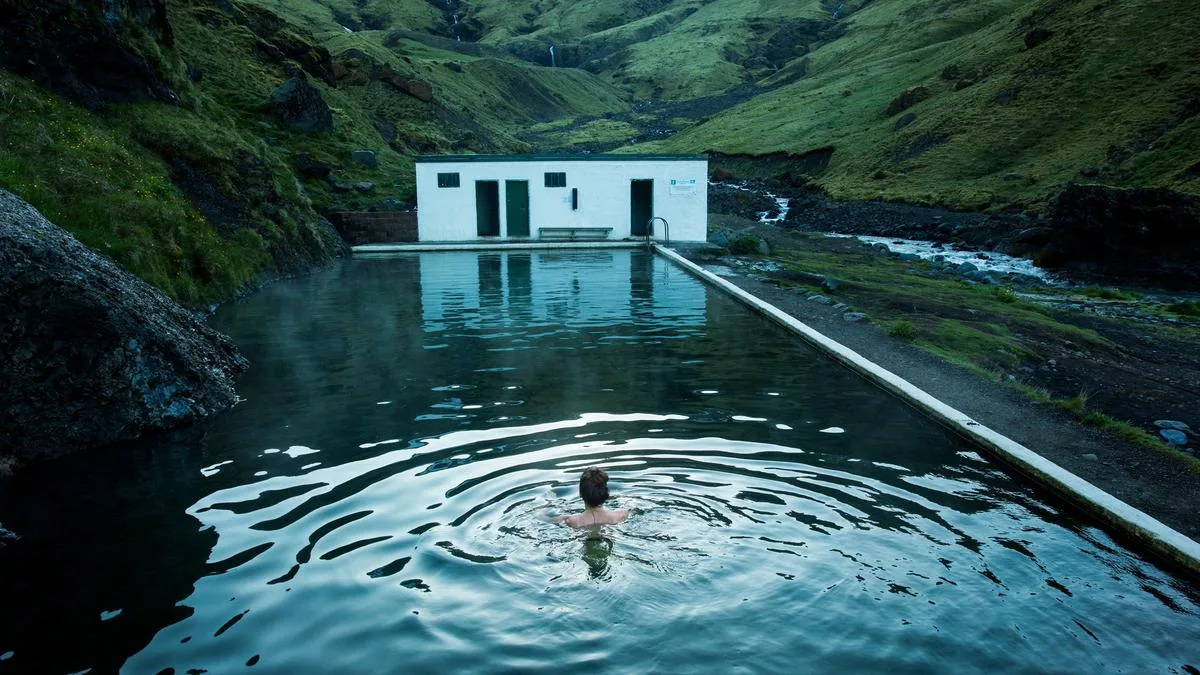
Shaped by glaciers and volcanoes, Iceland's bathing scene features indoor and outdoor pools heated naturally by geothermal activity. The Blue Lagoon, located in a lava field near Reykjavik, is iconic for its milky water infused with silica and minerals, creating an otherworldly setting popular with locals and travellers alike.

Mexico: Temazcal

Mexico's temazcal retains ritualistic origins, favoured by Aztecs and Mayans for purification and renewal. These Mesoamerican sweat lodges are low dome-like structures heated with volcanic stones, often found in places like Tulum and Cancun. Guided by a shaman, ceremonies involve incense, prayer, chanting, and herbal steam, symbolising rebirth, often followed by a cold plunge in a cenote.

England: Thermae

Nearly 2000 years ago, Romans built a bathing complex around a thermal spring in Bath, Somerset, now a UNESCO World Heritage Site. While the public cannot bathe as the Romans did, they can explore the ruins or visit Thermae Bath Spa, which offers the UK's only naturally hot, mineral-rich waters, steam rooms, and massages.

France: Balneotherapy

In France, balneotherapy is recognised by the national healthcare system, with patients prescribed stays at spa towns like Vichy for various conditions. This therapeutic focus makes bathing an individual rather than social activity, emphasising health benefits over communal aspects.

Other Notable Destinations

Additional places renowned for natural hot springs and bathhouses include Chile, Honduras, New Zealand, Fiji, Italy, Switzerland, Taiwan, Bulgaria, Spain, Germany, and China. Closer to home, Australia offers the award-winning Peninsula Hot Springs in Victoria, showcasing local bathing traditions.

These global bathing traditions highlight how water and heat have been integral to human culture, offering insights into history, community, and wellness practices that continue to thrive today.