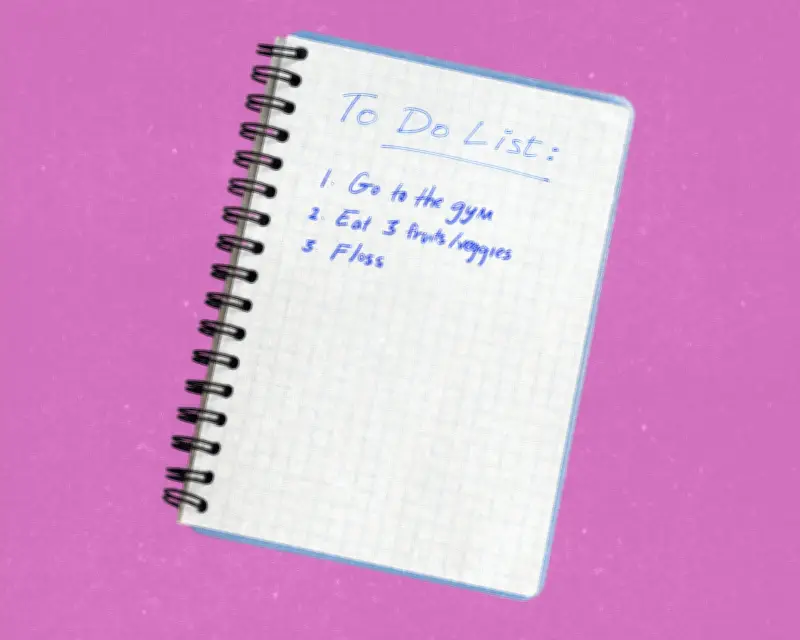
Sticker charts have long been a staple of childhood, used to encourage everything from potty training to homework completion. But a growing number of adults are turning to this simple tool to boost their own motivation, build habits, and accomplish goals. While it may seem childish, experts say the psychology behind sticker charts is sound—and surprisingly effective for grown-ups.
The Psychology Behind the Stickers
At its core, a sticker chart leverages the power of visual progress and positive reinforcement. Dr. Emily Carter, a behavioral psychologist, explains: "Stickers provide immediate, tangible feedback for completing a task. This triggers a small dopamine release in the brain, which makes us feel good and encourages us to repeat the behavior." This reward system is not age-dependent; it works for children and adults alike.
Moreover, sticker charts break down larger goals into manageable steps. Instead of focusing on a distant outcome, you celebrate small wins along the way. This can reduce overwhelm and increase consistency, which is key to habit formation.

How Adults Are Using Sticker Charts
Adults are adapting sticker charts for a variety of purposes. Common uses include:
- Fitness: Tracking workouts, steps, or water intake.
- Productivity: Completing daily work tasks, reading, or studying.
- Wellness: Logging meditation, sleep, or mood.
- Finance: Sticking to a budget or saving goals.
- Chores: Keeping up with cleaning, laundry, or home maintenance.
Some people use physical charts on a wall or in a planner, while others prefer digital apps that mimic the sticker experience. The key is consistency and the visual satisfaction of seeing a row of stickers accumulate.
Tips for Creating an Effective Adult Sticker Chart
To get the most out of a sticker chart, consider these strategies:
- Start small: Focus on one or two habits at a time to avoid spreading yourself too thin.
- Choose meaningful rewards: The sticker itself is a reward, but you can also assign a larger reward after a certain number of stickers (e.g., a treat or a night out).
- Be specific: Define clear, measurable actions. Instead of "exercise more," use "30-minute workout."
- Keep it visible: Place your chart somewhere you'll see it daily, like on the fridge or your desk.
- Don't be too hard on yourself: Missing a day is okay—just get back on track. The chart is a tool, not a judgment.
Potential Drawbacks
While sticker charts can be highly motivating, they are not without limitations. Some people may become overly reliant on external rewards, losing intrinsic motivation. Also, if the chart becomes too demanding or rigid, it can lead to stress or guilt. It's important to use the chart as a gentle nudge, not a strict taskmaster.
Additionally, sticker charts work best for short- to medium-term goals. For long-term, complex aspirations, other strategies like habit stacking or accountability partners may be more effective.
Real-Life Success Stories
Many adults have found sticker charts transformative. Sarah, a 34-year-old teacher, used a sticker chart to establish a morning routine. "I used to hit snooze and rush out the door. Now I have a chart for waking up early, stretching, and having a healthy breakfast. Seeing those stickers motivates me to keep going."
Similarly, Mark, a 42-year-old software developer, used a chart to track his reading goal. "I wanted to read 20 books this year. I put a chart on my wall and added a sticker for every chapter. It sounds silly, but I finished 25 books because I didn't want to break my streak."
Conclusion
Sticker charts are not just for kids. They tap into fundamental psychological principles that can help adults build habits, stay motivated, and achieve goals. Whether you're looking to exercise more, be more productive, or simply remember to floss, a simple sticker chart might be the low-tech solution you need. So go ahead—embrace your inner child and start sticking.