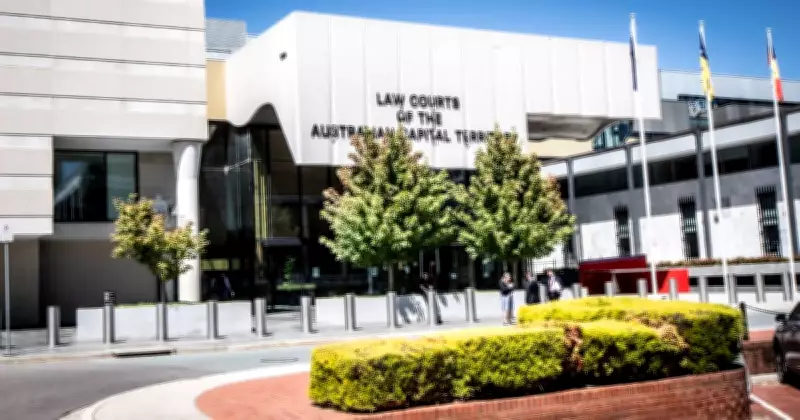
Joshua Aaron Baird Denied Bail in ACT Court Over Alleged Contempt and Flag Burning Incident
Joshua Aaron Baird has been refused bail by the ACT Magistrates Court following charges related to alleged contempt of court and attempts to burn a flag during legal proceedings. The case has drawn significant attention due to the unusual nature of the accusations, which involve disruptive behavior in a courtroom setting.
Details of the Alleged Offenses and Court Proceedings
According to court documents, Baird is accused of engaging in actions that constituted contempt of court, a serious offense that undermines the authority and dignity of the judicial system. Specifically, authorities allege that he attempted to burn a flag while in court, an act that could be interpreted as a protest or defiance against legal proceedings. The incident reportedly occurred during a hearing, leading to immediate intervention by court officials.
The magistrate presiding over the case emphasized the gravity of the allegations, noting that such behavior disrupts the orderly conduct of court operations and poses a risk to public safety. In denying bail, the court cited concerns about Baird potentially reoffending or failing to appear for future hearings, given the nature of the charges.

Legal Implications and Community Response
Contempt of court charges can result in severe penalties, including fines or imprisonment, depending on the jurisdiction and circumstances. In this instance, the alleged flag burning adds a symbolic dimension to the case, potentially invoking issues related to freedom of expression versus the need to maintain court decorum. Legal experts suggest that this case may set a precedent for how similar incidents are handled in Australian courts.
The community has reacted with a mix of shock and curiosity, as flag burning in a courtroom is a rare occurrence in Australia. Some view it as an act of civil disobedience, while others condemn it as disrespectful to the legal system. Authorities have reiterated the importance of respecting court protocols to ensure justice is served without interference.
Next Steps in the Legal Process
With bail refused, Baird will remain in custody until his next court appearance, where further evidence will be presented. The prosecution is expected to argue that the alleged actions warrant strict measures to prevent any recurrence. Defense counsel may challenge the charges or seek alternative arrangements, but the court's decision underscores the seriousness with which such offenses are treated.
This case highlights the ongoing balance between individual rights and the need for judicial integrity in the Australian legal framework. As proceedings continue, observers will be watching closely to see how the court addresses the complexities of contempt allegations involving symbolic acts like flag burning.