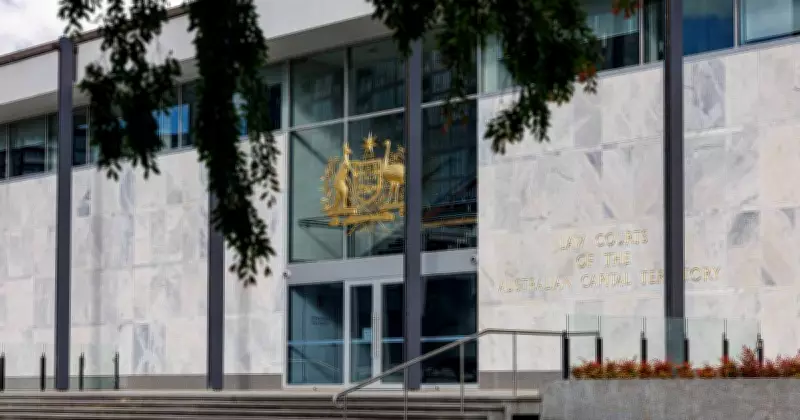
ACT Supreme Court Demands Government Explanation on Therapeutic Correction Orders
The ACT Supreme Court has issued a formal call to the government, demanding a detailed explanation of its position regarding therapeutic correction orders. This move highlights growing judicial scrutiny over the implementation and legal underpinnings of these orders within the territory's correctional system.
Judicial Inquiry into Correctional Practices
The court's request stems from ongoing cases where therapeutic correction orders have been applied, raising concerns about consistency and effectiveness. These orders are designed to combine rehabilitation with supervision, aiming to address underlying issues such as mental health or substance abuse in offenders. However, the court has noted ambiguities in how the government interprets and enforces these measures, prompting the need for clarity.
Legal experts suggest that this inquiry could have significant implications for correctional policy in the ACT. By seeking a formal explanation, the court is emphasizing the importance of transparent and accountable governance in matters of justice and rehabilitation. This step may lead to potential reforms or adjustments in how therapeutic orders are administered, ensuring they align with legal standards and public interest.

Government's Role and Potential Repercussions
The government's response to this demand will be closely watched, as it could influence future judicial decisions and policy directions. Therapeutic correction orders are often seen as a progressive approach to reducing recidivism, but their success depends on clear guidelines and adequate resources. The court's intervention underscores the need for the government to articulate its strategy and commitment to these initiatives.
If the government fails to provide a satisfactory explanation, it may face increased legal challenges or calls for legislative changes. This situation also raises broader questions about the balance between judicial oversight and executive authority in shaping correctional practices. Stakeholders, including advocacy groups and legal professionals, are likely to monitor developments closely, as outcomes could set precedents for similar cases across Australia.
In summary, the ACT Supreme Court's demand for an explanation on therapeutic correction orders marks a critical moment in the territory's legal and correctional landscape. It highlights the ongoing dialogue between the judiciary and government in ensuring that rehabilitation efforts are both effective and legally sound.