Steven Penglis Braces for Supreme Court Clash in Water Rights Dispute
Prominent businessman Steven Penglis is poised for a dramatic legal confrontation in the Supreme Court, as a long-running water dispute escalates into a high-profile courtroom battle. The case, which centers on contested water rights and resource allocation, is expected to involve intense arguments and potentially precedent-setting rulings.
Background of the Water Dispute
The conflict stems from disagreements over water usage and management, with Penglis at the heart of the controversy. Sources indicate that the dispute has simmered for months, involving multiple stakeholders and complex regulatory frameworks. Legal analysts suggest that the Supreme Court hearing could become particularly heated, given the economic and environmental stakes involved.
Key issues likely to be debated include:

- The interpretation of existing water rights legislation
- Claims of over-extraction or misuse of water resources
- Potential impacts on local communities and ecosystems
Legal Experts Predict Contentious Proceedings
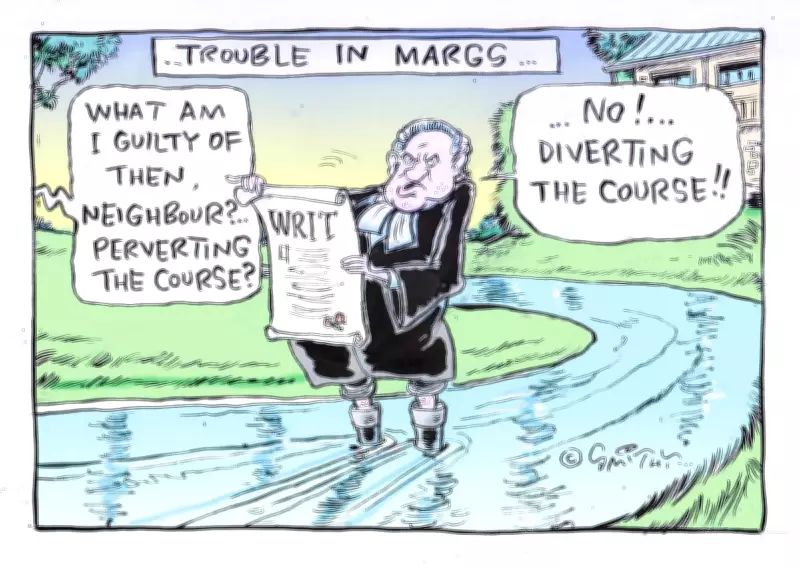
Observers familiar with the case anticipate that the Supreme Court proceedings will be both lengthy and contentious. The phrase "get wet and wild" has been used to describe the expected legal wrangling, hinting at vigorous cross-examinations and possibly unexpected twists. This characterization underscores the unpredictable nature of such resource disputes, where legal technicalities often collide with broader policy considerations.
One legal commentator noted, "Water rights cases in Australia frequently involve layered arguments about sustainability, property rights, and public interest. Penglis's situation appears to encapsulate these tensions, making it a bellwether for similar disputes nationwide."
Implications for Water Policy and Business
The outcome of this Supreme Court case could have far-reaching consequences beyond Penglis's immediate interests. A ruling in favor of stricter water allocation might influence how businesses and agricultural operations manage their water usage in drought-prone regions. Conversely, a decision upholding existing rights could reinforce current practices, potentially sparking further debates about resource equity.
Moreover, the case highlights the ongoing challenges in balancing economic development with environmental stewardship. As climate change exacerbates water scarcity in parts of Australia, legal battles over this precious resource are becoming increasingly common and consequential.
What to Expect Next
With the Supreme Court hearing scheduled to proceed, all eyes will be on the legal strategies employed by both sides. Penglis's legal team is expected to mount a robust defense, while opposing parties will likely argue for more stringent water management controls. The court's eventual decision could set a significant precedent, influencing future water rights litigation and policy adjustments at state and federal levels.
In summary, Steven Penglis's impending Supreme Court appearance marks a critical juncture in Australia's ongoing dialogue about water rights. As the proceedings unfold, they will not only determine the fate of one businessman's claims but also potentially reshape the legal landscape governing one of the nation's most vital natural resources.