
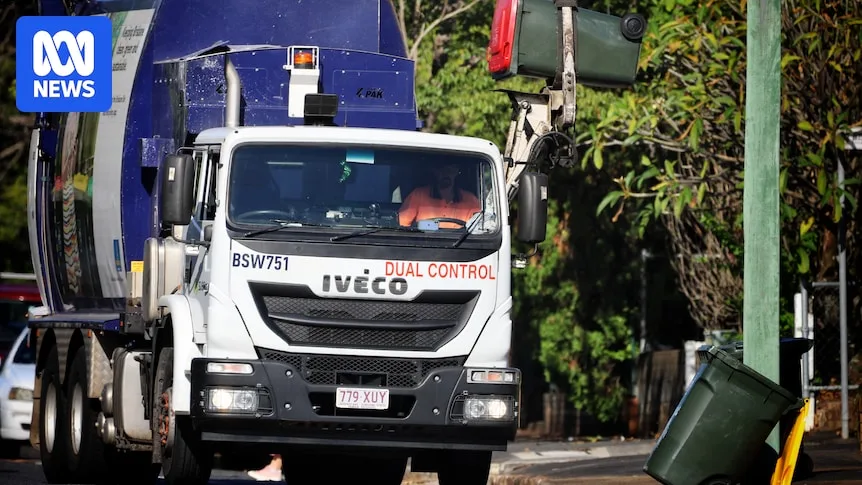
Waste collectors across Australia are warning that bin services may be reduced or halted due to a shortage of diesel fuel, leading to potential rubbish pile-ups and public health risks. The sector reports receiving reduced diesel allocations, with some operators getting less than half their usual supply.
High diesel prices are forcing many waste collection companies to operate at a loss, which industry leaders say is unsustainable. The Waste Contractors and Recyclers Association of NSW, the Waste Management and Recycling Association WA, and the Waste Recycling Industry Association Queensland have written to Energy Minister Chris Bowen seeking assistance.
The industry is calling to be classified as an essential service to guarantee fuel supply. Currently, waste collectors are not on the 'priority fuel user' list, which ensures essential services have access to diesel. The groups warn that hospitals, aged care facilities, supermarkets, and others rely on continuous waste removal to maintain safe operations.

Brett Lemin, chief of the Waste Contractors and Recyclers Association of NSW, said not being listed as essential could be 'potentially catastrophic' and lead to significant health and environmental issues. Mike Bobrowicz of the Waste Management and Recycling Association WA noted that some operators have been told to expect only about half their regular allocation at next refill.
Alison Price, chief executive of Waste Recycling Industry Association Queensland, said impacts are already being felt, with some members receiving less than half their fuel orders. She warned that the general public will start to feel effects soon. The sector leaders said services are already being affected in limited ways, such as delays of several hours to residential bin collections.
Industry leaders are traveling to Canberra to meet with Assistant Environment Minister Josh Wilson to resolve urgent supply and price issues. They warn that without action, services could cease within one to two weeks, leading to serious public health and environmental problems.