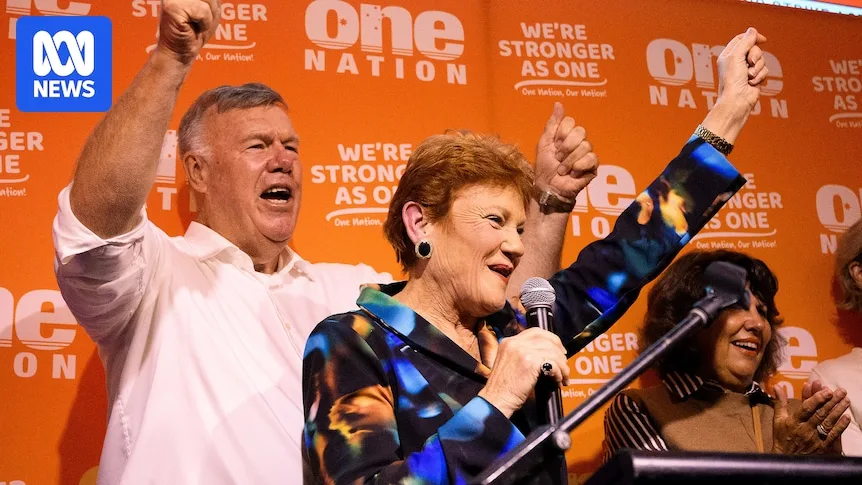
Pauline Hanson's One Nation party has secured its first ever federal lower house seat, winning the Farrer by-election in regional New South Wales. The result marks a significant shift for the party, which has long been seen as a protest movement but now poses a genuine electoral threat to the major parties.
The by-election was triggered by the resignation of Liberal MP Sussan Ley. One Nation candidate David Farley won the seat, which had been held by the Liberal Party for 25 years and by the Coalition for its entire history. The absence of a Labor candidate on the ballot meant that voters angry at the political system directed their punishment at the Liberals.
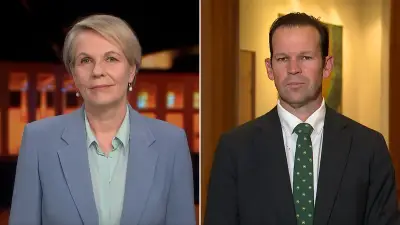
One Nation's primary vote in Farrer hovered in the low 40s as counting continued, far exceeding the party's national polling of around 25%. Nationals leader Matt Canavan described the contest as a "bit of a free kick" for One Nation, reflecting the anti-major party sentiment that has become a potent force in Australian politics.

The Liberal Party's internal divisions were exposed by the result. Leader Angus Taylor had downplayed expectations, but senior sources acknowledged the numbers were as bad as expected. The party faces a challenge in winning back voters from One Nation without alienating them, a dilemma that mirrors the tension between Labor and the Greens.
The Coalition's decision to preference One Nation above independent candidate Michelle Milthorpe, who secured about a quarter of first preferences, drew mixed reactions. Some saw it as strategic pragmatism, while others viewed it as a weak concession to an opponent the Coalition has fought for decades.
Taylor said the party must change, stating, "For too long we have been a party of convenience, not conviction." The loss in Farrer deepens the Liberal Party's existential crisis, as it now faces pressure from both the teal independents on its left and One Nation on its right.