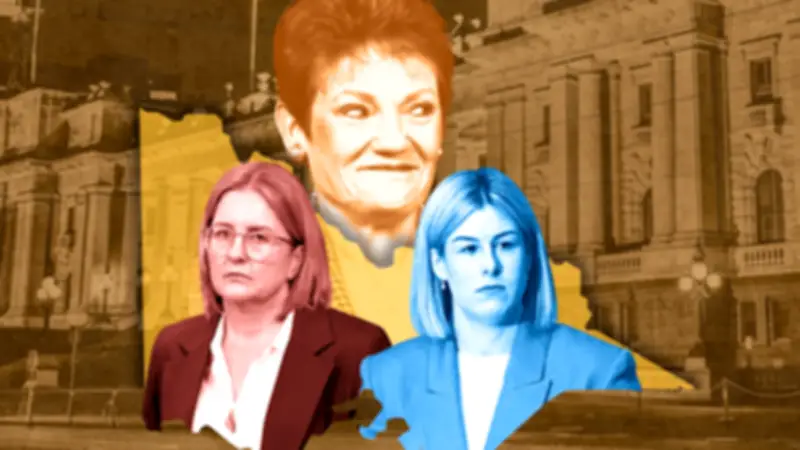
Victoria's November state election is shaping up to be one of the most significant in recent memory, with a 12-year-old Labor government under siege, an untested opposition that has weathered multiple scandals and leadership changes, and the right-wing populist One Nation party gaining ground among disaffected voters.
A government seeking a fourth term
Labor has been in power in Victoria for 12 years, and the weight of that tenure is showing. The party has dominated Victorian politics for over two decades, winning six of the last seven elections. Former Coalition prime minister John Howard dubbed Victoria the 'Massachusetts of Australia' in reference to Labor's persistent success. Since returning to office in 2014, the government has faced few major electoral threats from the opposition.
At the 2022 election, the government – then led by Daniel Andrews – was re-elected with 56 of the 88 seats in the lower house. However, since 2024, Labor has lost its lead in the two-party preferred vote. Recent polls suggest the government is facing the prospect of electoral defeat. Labor has fallen behind the Coalition and One Nation on primary votes, while Premier Jacinta Allan's net approval rating stands at –37.

Allan's own seat of Bendigo East is also likely to be a hotly contested battle against Nationals candidate Andrew Lethlean. There has been frequent speculation over Allan's leadership and personal attacks on the premier. Despite recurring rumours of impending spills, Allan has managed to hold on to the party leadership.
Union concerns over One Nation's rise
The underlying anxiety within Labor has not dissipated. Last week, Victorian Trades Hall secretary Luke Hilakari criticised Labor MPs for not campaigning enough in their constituencies to combat the rise of One Nation. Hilakari urged MPs to 'work their arse off' in the lead-up to the election or face the withdrawal of union campaigning support in their electorates. This reveals the level of concern within the union movement about the threat One Nation poses. Hilakari told ABC's Afternoon Briefing that they anticipate One Nation could pick up between 20 and 25 seats in November.
A weakened opposition
Heading into an election with an unpopular Labor government seeking a fourth term would normally pave the way for a Coalition victory. However, the Coalition holds only 28 seats, far from the 45 required to form government. Although the Nationals gained ground at the last state election, the Liberal Party went backwards, losing seats to Labor in the suburbs and regions.
The years since have been turbulent for the Victorian opposition, with ideological divisions, factional infighting, and three changes in leadership. Current leader Jess Wilson, a moderate, has maintained relative party unity since taking the role in November last year. Wilson has focused on sore points for the Allan government, such as crime levels, growing state debt, and accusations of fraud and corruption on major infrastructure projects. Along with cost of living, these issues have dominated the campaign so far. Although there have been glimpses of successful campaigning communications, it remains unclear if this will be enough to win a majority Liberal-National Coalition government.
Australia's evolving party landscape
The accepted wisdom has been that Australian voters treat state and federal elections as distinct contests. Although the issues dominating Victorian politics are largely state issues, the election is likely to be watched closely across the country because of what it reveals about the changing party system in Australia.
Both traditional parties of government face a declining vote share and the unpredictability of a fragmented electorate. The Liberals are challenged on both sides by One Nation and independents. Labor is challenged by the Greens in inner-city seats, while One Nation and the Liberals pose a threat in the suburbs and regions. There is no clear roadmap for the parties to navigate the path to government in a fragmenting party system.

Currently, One Nation holds only one seat in the Victorian upper house, but given its current poll numbers, it seems likely to have a significant presence in the next parliament. If a hung parliament is returned, One Nation may be decisive in determining who forms the next Victorian government. Whatever the results, November will reveal important insights into the trajectory of Australian party politics: whether the major parties can adapt to a fragmenting landscape, and whether minor parties like One Nation have the organisational capacity to sustain their rapid rise.