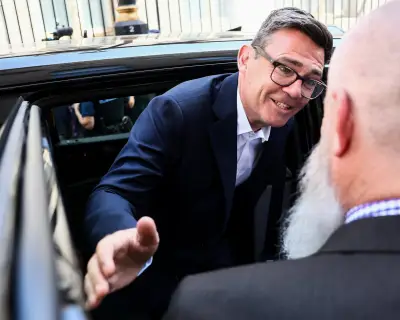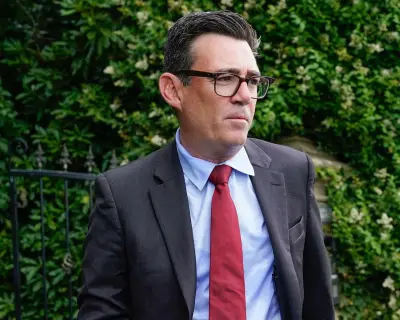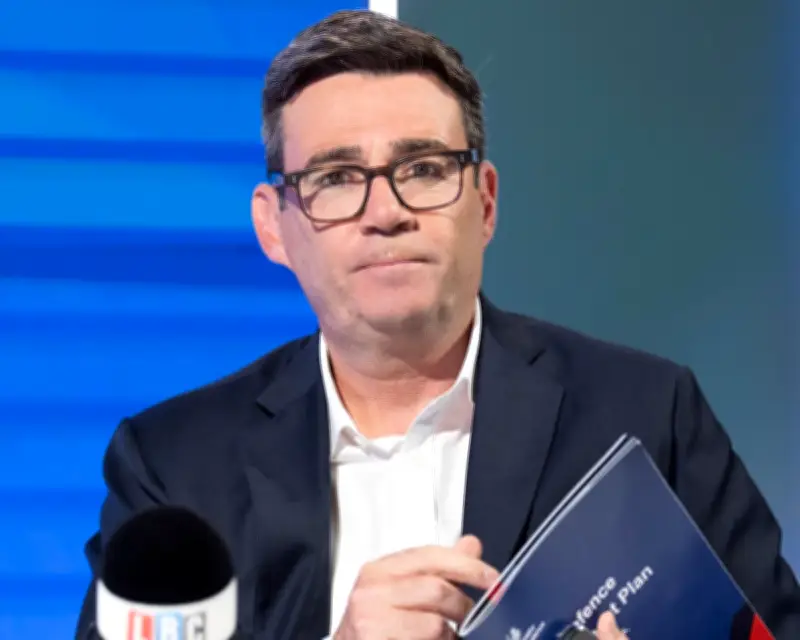
Andy Burnham has unveiled a series of policy pledges aimed at tackling the cost-of-living crisis, vowing to cap energy prices and raise the minimum wage if he becomes prime minister. The Labour leadership contender made the announcement during a campaign event in Manchester, positioning himself as the candidate to address the financial strains facing millions of households.
Key Policy Proposals
Burnham's plan includes a temporary freeze on energy price caps, a rise in the national minimum wage to £12 per hour, and increased investment in social housing. He also promised to expand free school meals and introduce a windfall tax on oil and gas giants to fund the measures. According to Burnham, these steps would save the average household £1,200 a year.
“The cost-of-living crisis is hitting families hard, and the government's response has been too little, too late,” Burnham said. “I will take immediate action to ease the pressure on working people.”

Criticism and Support
The proposals have drawn mixed reactions. Supporters praise the focus on immediate relief, while critics question the feasibility of funding such initiatives without increasing borrowing. Shadow chancellor Rachel Reeves expressed cautious support, noting that any plans must be fully costed. Meanwhile, Conservative Party chair Greg Hands dismissed the pledges as “unfunded fantasy economics.”
Burnham, currently the Mayor of Greater Manchester, is seen as a centrist within the Labour Party. His platform emphasizes devolution and local empowerment, which he argues will make policy implementation more effective.
Impact on the Leadership Race
The announcement comes as Burnham trails frontrunner Keir Starmer in the Labour leadership contest. A recent YouGov poll placed Starmer at 42% support among party members, with Burnham at 31%. However, Burnham's team believes these cost-of-living proposals could shift momentum in his favor.
“Andy is the candidate with a clear plan for the country,” said a campaign spokesperson. “Voters want action, not just words.”
The next Labour leader is expected to be announced in September. Whoever wins will face the challenge of uniting the party and presenting a credible alternative to the Conservative government ahead of the next general election.